Properly Honoring Slavery’s End

Replacing Juneteenth with December 18, the anniversary of the certification of the Thirteenth Amendment, would better celebrate permanent triumph of liberty over bondage.
The celebrations of the 250th anniversary of the country’s founding, marked by the signing of the Declaration of Independence, are intensifying as we approach July 4. But prior to that, the nation will pause to observe another anniversary. “Juneteenth” (a portmanteau of the words “June” and “nineteenth”) signifies June 19, 1865, the day when the last slaves were freed in Texas under the authority of President Abraham Lincoln’s 1863 Emancipation Proclamation. It was not until the arrival of the Union Army in Galveston, Texas, and the issuing of General Order #3 that many slaves—and their slaveowners—received the news of their emancipation.
The celebrations that followed the edict’s enforcement became a tradition, commemorated each year since 1866 within the black community. On June 17, 2021, President Joe Biden declared “Juneteenth” a federal holiday. However, the decision to make Juneteenth a federal holiday that celebrates the end of slavery in America makes comparatively little sense when we properly remember that slavery’s true demise came at the hands of President Lincoln’s statesmanship in both the Emancipation Proclamation and the ratification of the Thirteenth Amendment, which permanently erased slavery from our country.
It is ironic that the day chosen to commemorate the end of slavery honors an event tied to the legacy of Lincoln, the “Great Emancipator,” whose reputation has been relentlessly attacked by modern race-baiters on the left. Scholarly and media critiques, amplified by the New York Times’ 1619 Project and earlier works like Lerone Bennett Jr.’s Forced Into Glory, portray Lincoln as a racist and a white supremacist. Activists, particularly during the 2020-2021 Black Lives Matter wave, vandalized or removed statues of Lincoln, including one in Boston depicting Lincoln over a freed slave. These critics, indifferent to historical nuance, brand Lincoln an irredeemable racist for campaign-trail remarks and for his pragmatic statements that preserving the Union was his paramount objective. Yet Lincoln’s opposition to slavery was consistent and principled throughout his life. He viewed it as a moral wrong that violated the Declaration’s self-evident truth of human equality and the right of self-government. As he declared: “When the white man governs himself, that is self-government; but when he governs himself and also governs another man, that is more than self-government—that is despotism.”
There is certainly an argument to be made that Lincoln’s attitude toward the legal abolition of slavery evolved over time; nevertheless, it is incontestable that Lincoln’s guiding purpose remained the same, i.e., that the nation founded upon the principles of the Declaration of Independence, which sprang from the self-evident truth of equality, must be maintained on those principles.
Lincoln, like the framers of the Constitution, understood that only a constitutional regime committed in principle to equality and self-government could create the conditions where slavery would be abolished. Lincoln believed that slavery could be tolerated in the places where it existed, as long as it was understood to be a necessary evil, placed on the course of ultimate extinction.
Lincoln claimed in his First Inaugural Address as president that “I have no purpose, directly or indirectly, to interfere with the institution of slavery in the States where it exists. I believe I have no lawful right to do so, and I have no inclination to do so.” But it was Lincoln’s opposition in principle to their “peculiar institution” that the South could not abide, and so secession and war followed.
Throughout the early years of the Civil War, Lincoln resisted calls by radical abolitionists to end slavery unilaterally. The Emancipation Proclamation itself was enacted under his commander-in-chief powers as a “fit and necessary war measure”: every slave who was emancipated weakened the Southern military cause. The reason for the distinction was political and prudential: Lincoln could not afford to alienate the border states as their support was critical to the success of the Union Army and to prospects of a Northern victory.
As the Civil War raged, devastation and destruction, especially throughout the Southern states, were more extensive than imagined by the abrupt emancipation of slaves. Moreover, sentiment throughout the Northern states moved steadily against the institution of slavery, connecting the Union cause with the need to abolish slavery. As such, all the prudential arguments against the abolition of slavery began to be superseded by events.
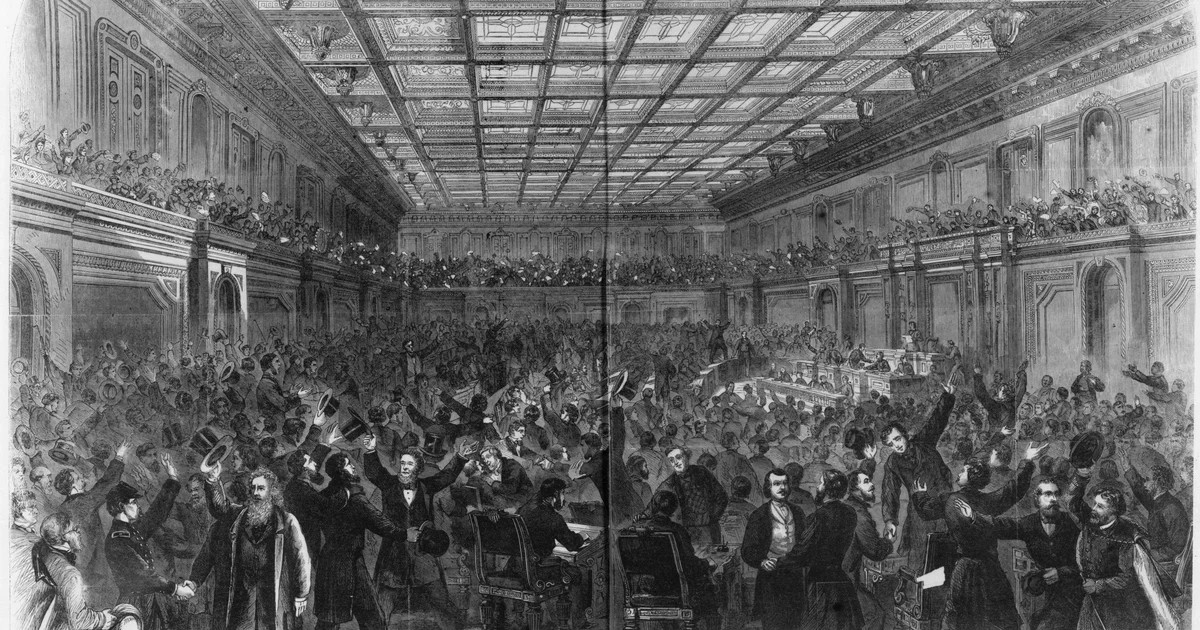
Beginning in early 1864, President Abraham Lincoln and abolitionist Republicans saw an opportunity to abolish slavery—permanently and universally throughout the United States. Because the Emancipation Proclamation was a limited wartime measure enacted under limited constitutional powers, a constitutional amendment was needed to abolish slavery entirely and irrevocably. On April 8, 1864, after intense debate, the Senate passed the proposed 13th Amendment by a vote of 38-6.
Neither slavery nor involuntary servitude, except as a punishment for crime whereof the party shall have been duly convicted, shall exist within the United States, or any place subject to their jurisdiction.
The House of Representatives proved a tougher battleground. Democrats, particularly those from border states and northern areas with pro-slavery sympathies, opposed the amendment, arguing it infringed on states’ rights or would still disrupt the social order. In June 1864, the House vote fell short of the two-thirds needed, with 93 in favor and 65 against. Undeterred, Lincoln and his allies, including radical Republicans like Thaddeus Stevens, made the amendment a central issue in the 1864 election. Lincoln’s reelection and Republican gains in Congress bolstered their cause. Lincoln, leveraging his political capital, worked behind the scenes to secure votes. His administration engaged in intense lobbying, offering patronage and political favors to wavering Democrats. On January 31, 1865, the amendment passed the House 119-56, just over the two-thirds threshold.
Ratification by the states followed swiftly. By December 6, 1865, Georgia became the twenty seventh state to ratify, meeting the necessary three-fourths requirement. The Thirteenth Amendment was certified as part of the Constitution on December 18, 1865.
Slavery was a horrible stain on the constitutional history of the United States and a violation of its most sacred principles. It was the cause of immeasurable human suffering: a day to reflect upon its tragic legacy and celebrate its abolition is therefore fitting—especially when weighed against comparatively minor observances like Labor Day or Presidents’ Day.
However, designating Juneteenth as the federal holiday for emancipation is not only politically motivated but is historically imprecise. It elevates a delayed enforcement in one state over the constitutional act that irrevocably ended slavery everywhere. It would be appropriate for Congress and the Trump Administration to rescind Biden’s decision to make Juneteenth a federal holiday and replace it with December 18, the anniversary of the certification of the Thirteenth Amendment. That date represents the true, permanent triumph of liberty over bondage: the moment the United States fulfilled its founding promise by abolishing slavery forever under the supreme law of the land. That is a day worthy of solemn national celebration, and what better way to commemorate our nation’s semiquincentennial,
Linda Denno is retiring from the University of Arizona, where she teaches in the Intelligence & Information Operations program and previously served as Dean of the College of Applied Science & Technology.

Properly Honoring Slavery’s End
Designating Juneteenth as the federal holiday for emancipation is not only politically motivated but is historically imprecise.
America’s Clausewitz: William Tecumseh Sherman’s Meditations on the Nature of War
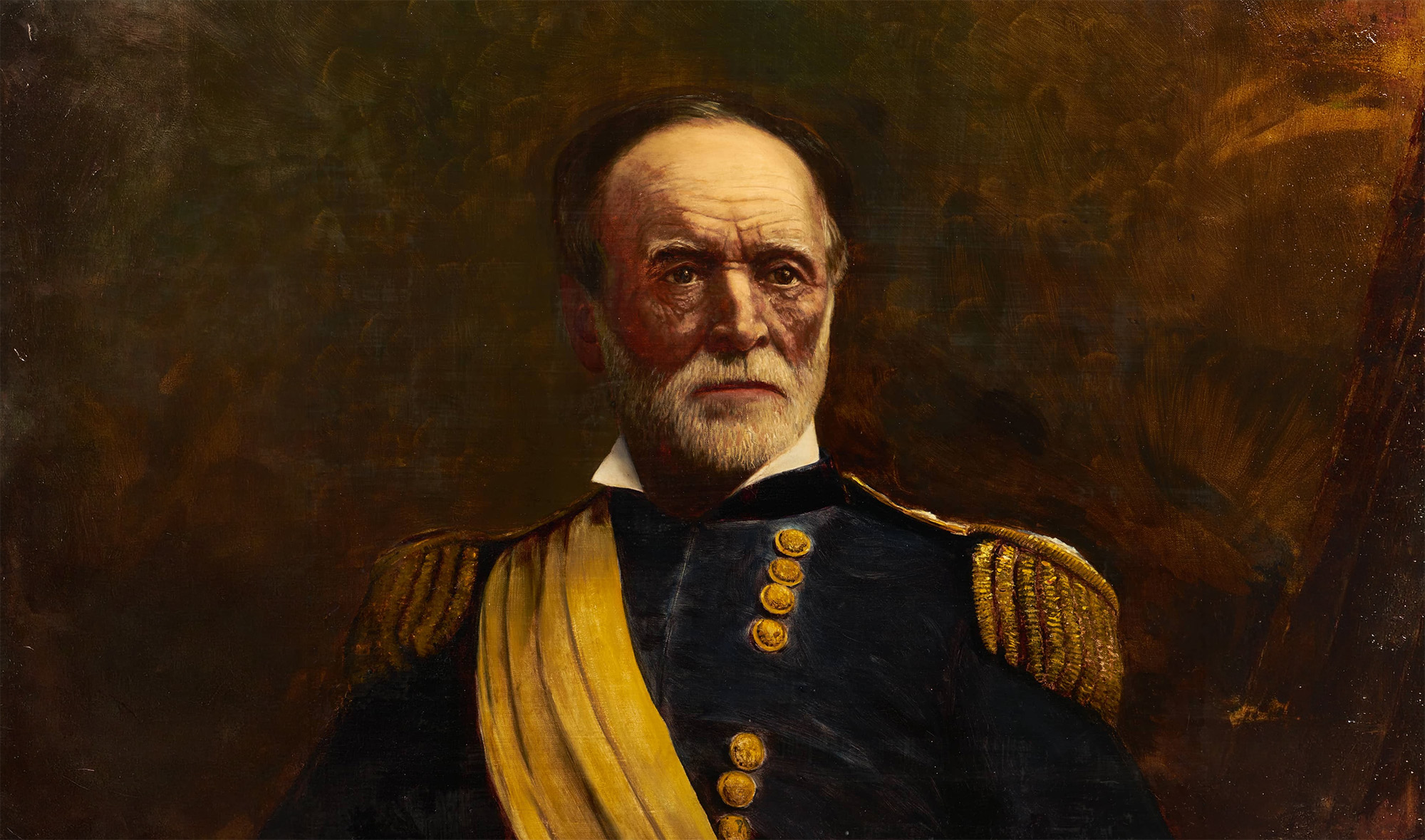
Sherman was America’s foremost, if unwitting, interpreter of the Prussian military theorist Carl von Clausewitz.

The Hart Conservatives
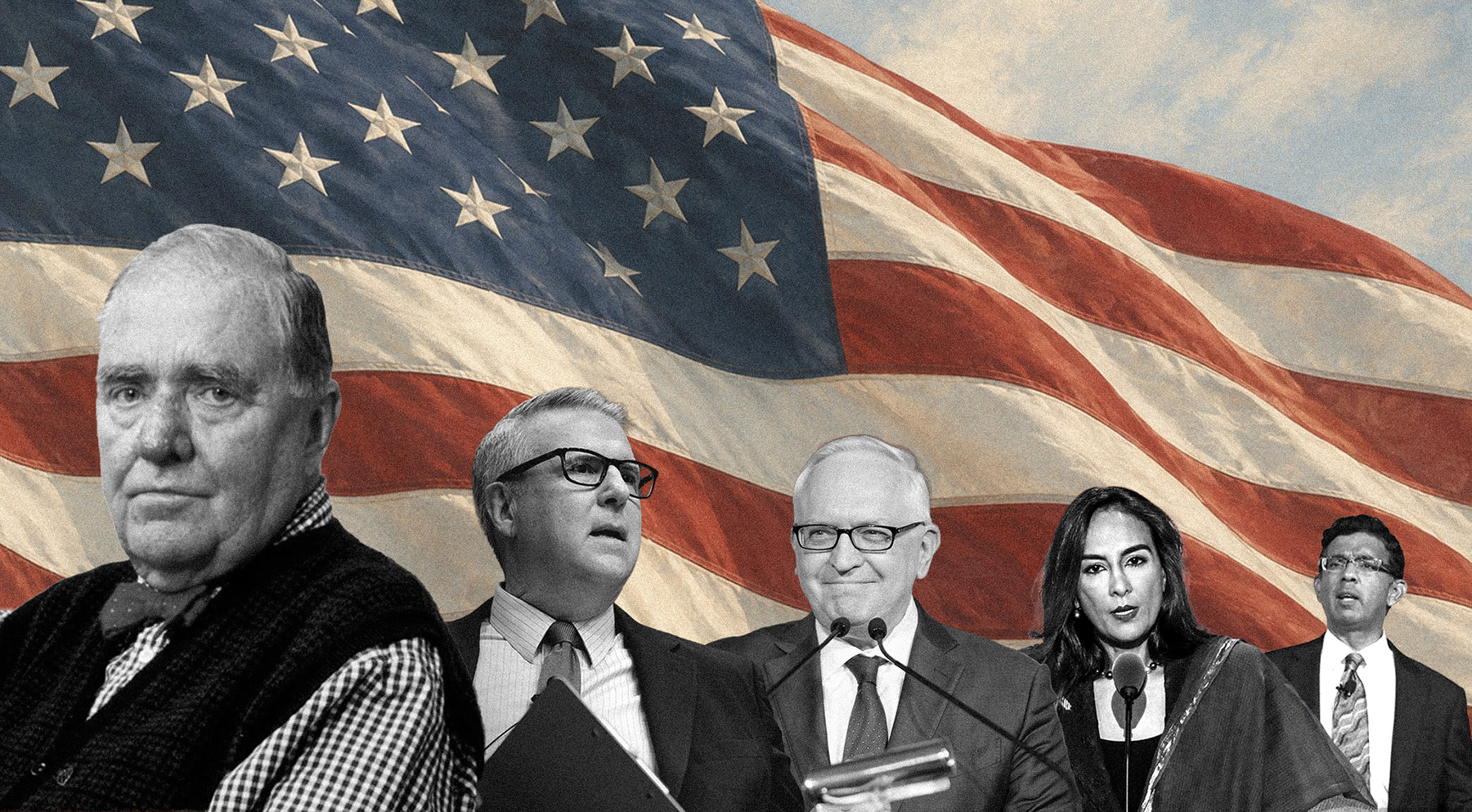
Whether he would have preferred it at his death or not, much of the media, institutional, and executive-centered conservative movement of today bears Jeffrey Hart's imprint.

“Democratic” Socialism Is Undemocratic
By promoting class hatred, suppressing private initiative, and seeking enhanced control of our lives, today’s democratic socialists undermine patriotism and individual initiative—two qualities that have long distinguished the United States from other major nations.


Get the Civitas Outlook daily digest, plus new research and events.
Get the Civitas Outlook daily digest, plus new research and events.