
The Keynes Symposium
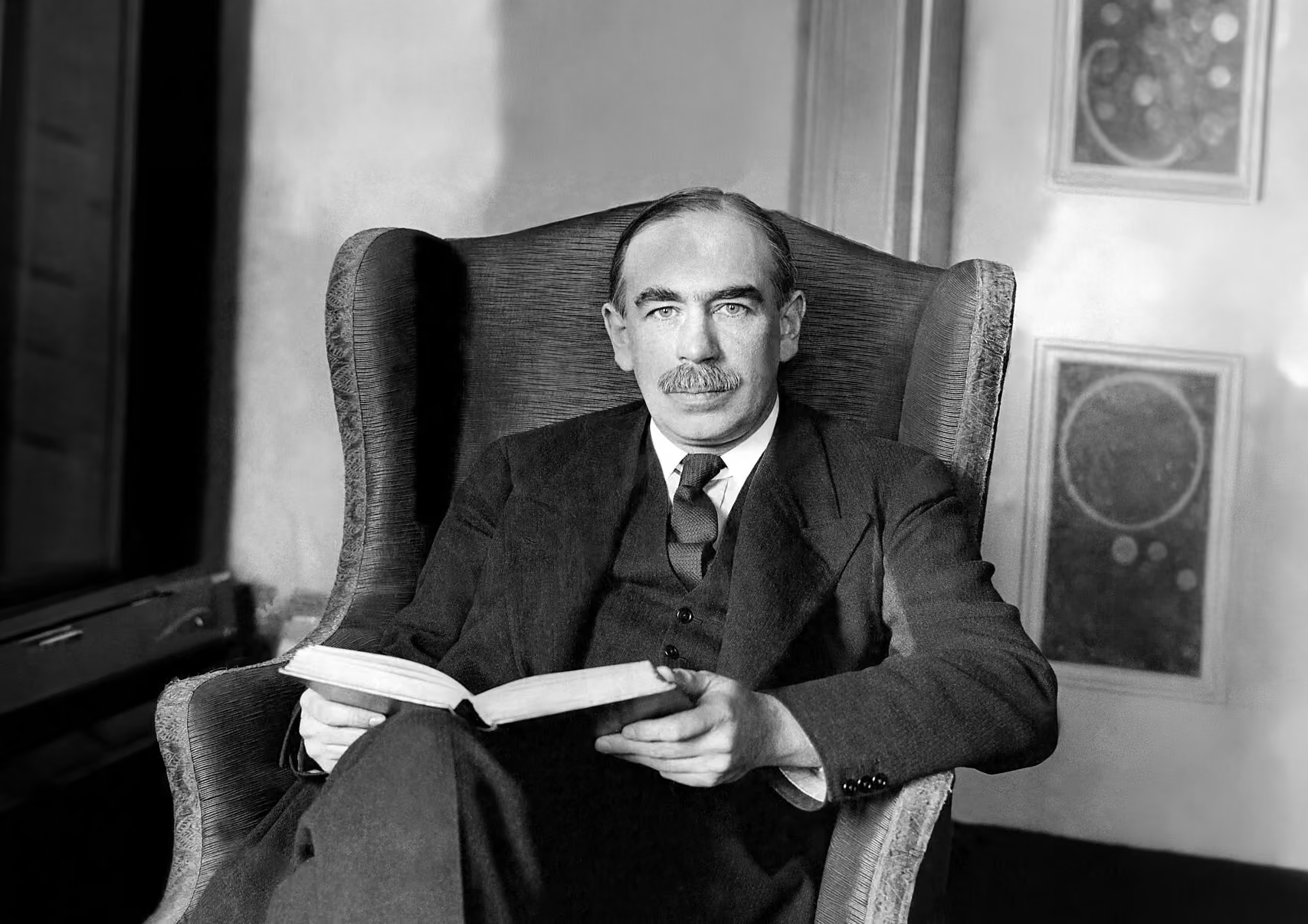
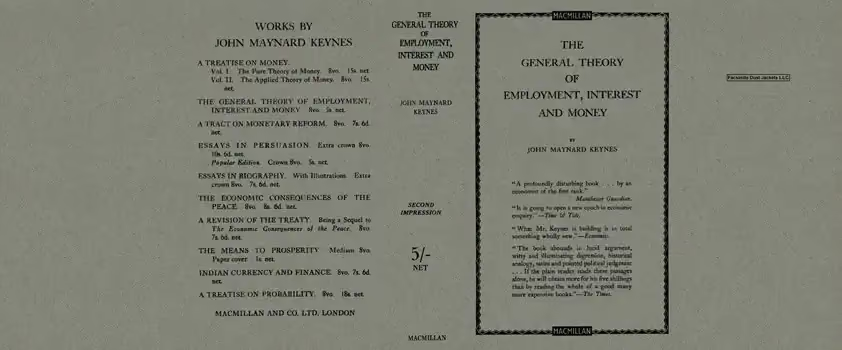
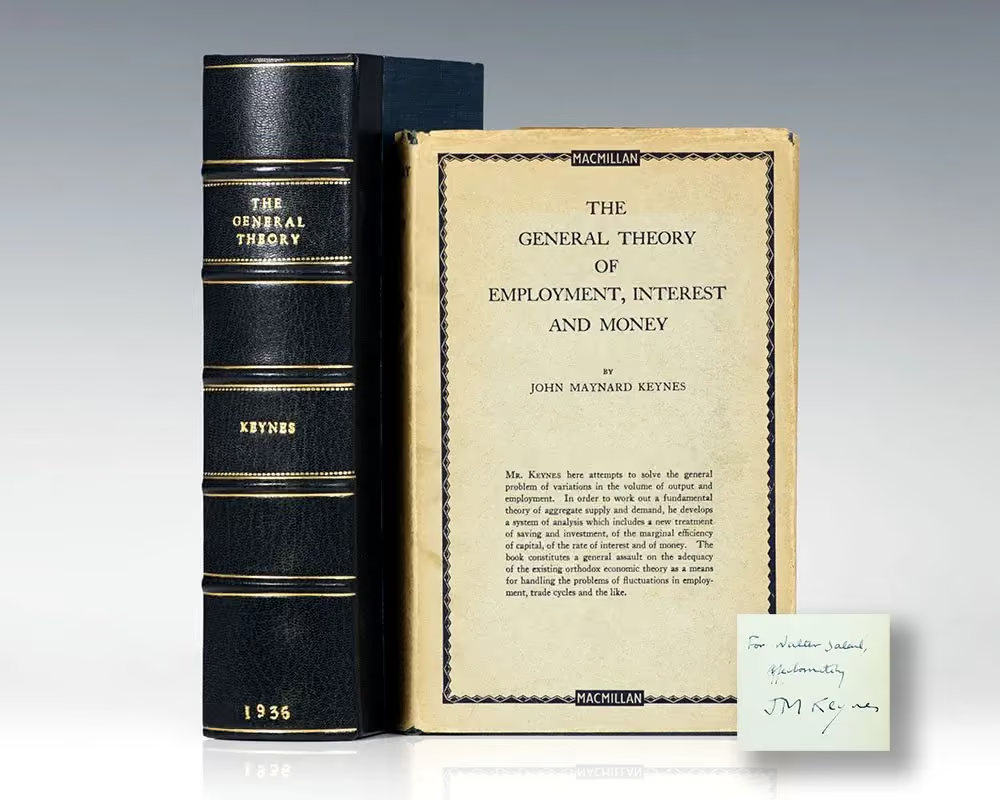
John Maynard Keynes' General Theory on Employment, Interest, and Money was published a bit over 90 years ago in February 1936. We've asked 5 contributors to assess the weight, influence, and truth of this book which has heavily shaped economic thought.

.png)




John Maynard Keynes' General Theory on Employment, Interest, and Money was published in 1936 in response to what he thought was the inability of conventional economic policies to heal unemployment in Britain, which had remained high since the end of World War I, and then the arrival of the vast economic downturn that enveloped Britain and Europe. His prescription involved vast government spending to boost aggregate demand, financed by borrowing. Such debt could be repaid by governments during conditions of general prosperity. In the meantime, government spending would boost aggregate demand through a multiplier effect, as jobs and wages recovered, a dividend would be returned to the economy.
Keynesian economics became a major subject of economic research and public policymaking in the twentieth century and continues to provide justifications for government fiscal policy today. On the ninetieth year of publication of Keynes’ General Theory, we asked five of our contributors to assess what the book has contributed to our economic learning and what we need to unlearn.
Joshua Banerjee, "The Contested Legacy of Keynes’ 'General Theory'"
Richard Epstein, “Keynes, Coase, and Posner"
Jonathan Hartley, "What We’ve Learned About Fiscal Policy Since Keynes"
Michael Munger, “Keynes Was Not a Keynesian”
Veronique de Rugy, “Still Slaves of a Defunct Economist”
Leonidas Zelmonavitz, “Keynes’s General Theory as an Emergency Brief”




.avif)
.jpg)