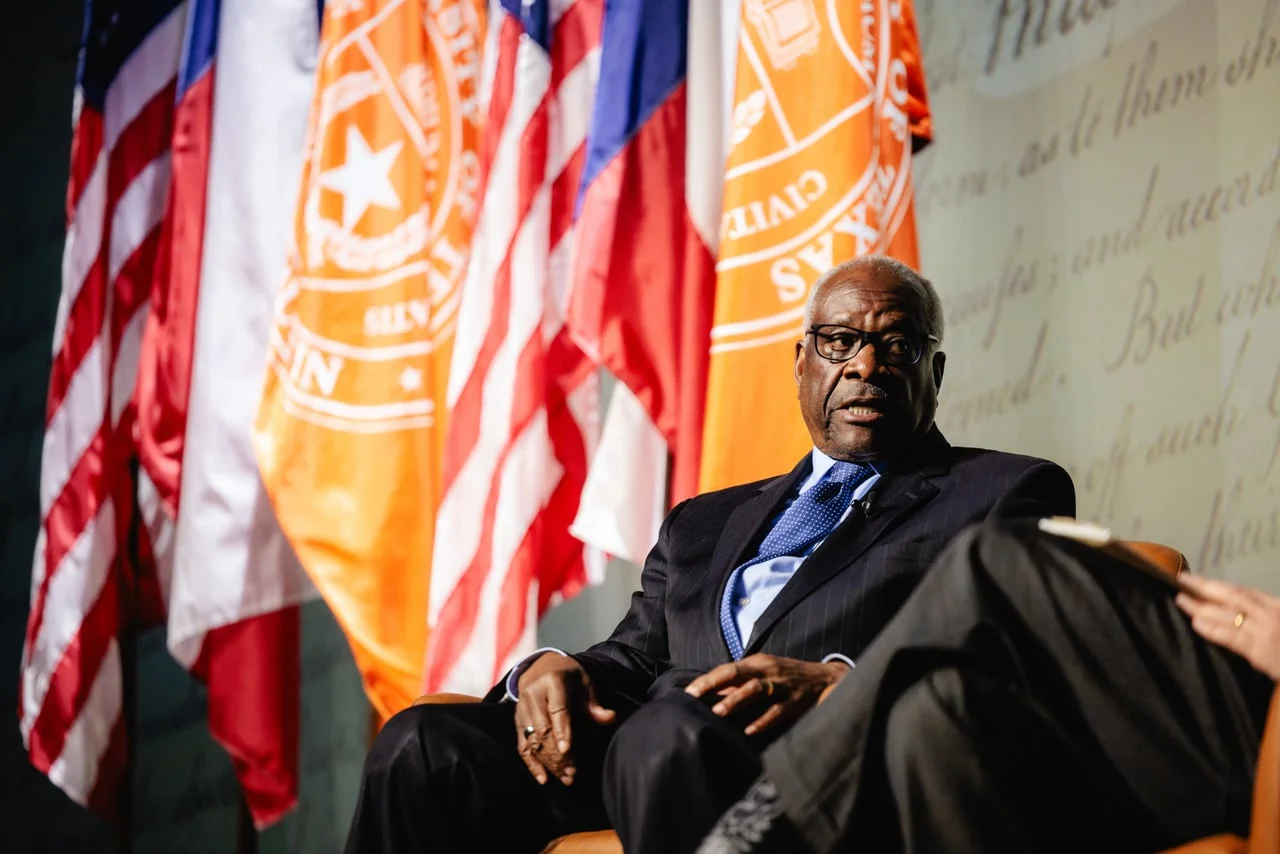
Symposium on Associate Justice Clarence Thomas’s Remarks on the Declaration of Independence
Justice Thomas's address calls for Civitas Outlook to offer our readers a collection of responses to his Declaration remarks from 10 teachers, lawyers, and professionals who are also students of the Declaration.
Clarence Thomas, Associate Justice of the United States Supreme Court, delivered an address at the University of Texas at Austin on April 15, 2026, on America’s Declaration of Independence, as our nation celebrates the 250th anniversary of the Declaration and the nation it birthed. His remarks underscore the truths of this monumental constitutional document of American freedom. He notes that his path in life and his encounter with the Declaration are “perhaps not what you would immediately think.”
Thomas notes that the Declaration’s natural rights teachings of equality, because all were created by God and given the rights to life, liberty, and the pursuit of happiness, were “articles of faith that were impervious to bigotry or discrimination” that he experienced growing up in Savannah, Georgia. “They were the Holy Grail, the North Star, the rock – immovable and unquestioned.” Justice Thomas further observes that the “Declaration is, in fact, along with the Gospels, one of the greatest antislavery documents in the history of Western civilization.”
We continually read, debate, and learn from our Declaration and from how it should shape our constitutional government. That conversation will continue, and Justice Thomas’s address will now be another part of that debate, one that could prove to be the most consequential in 2026 and beyond.
His speech has been widely viewed and read. The Wall Street Journal reprinted an excerpt from his remarks. Leading figures in our country have responded to his address, some positively, some negatively, and some hysterically. But all this calls for Civitas Outlook to offer our readers a collection of responses to Thomas’s address from 10 teachers who are also students of the Declaration. We hope you enjoy engaging with their reflections.
Hadley Arkes, “Justice Thomas’s House Divided Speech”
Linda Denno, "Reclaiming Our American Inheritance"
Richard Epstein, “A Bulwark of Liberty”
Steven Hayward, “Silent Clarence” Meets “Silent Cal”
Charles Kesler, “The Courage of Justice Thomas”
Phillip Munoz, “On the Liberating and Living Truths of the Declaration of Independence”
Ronald J. Pestritto, “Justice Thomas Teaches About the Declaration and Its Opponents”
Richard Reinsch, “The Courage of the Americans”
Sherry Sylvester, “What Clarence Thomas Told Us in Texas”
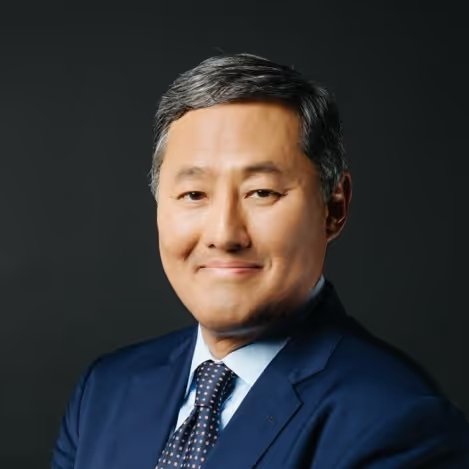
John Yoo, “The Declaration’s Truths Heal a Multitude of Errors”
Todd Zywicki, “The Declaration and the Permanent Things”
Symposium on Associate Justice Clarence Thomas’s Remarks on the Declaration of Independence
.webp)
Reclaiming Our American Inheritance
Thomas’s message is the same insight Abraham Lincoln invoked against Chief Justice Taney’s sophistry in the Dred Scott decision.


Symposium on Associate Justice Clarence Thomas’s Remarks on the Declaration of Independence
His remarks underscore the truths of this monumental constitutional document of American freedom.

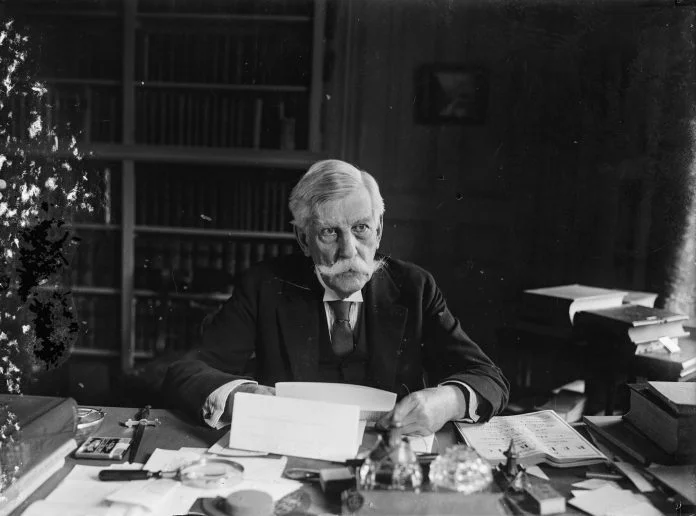
Three Generations of Living Constitutionalists Is Enough
Justice Thomas radiates a fundamental sense of decency, humility, and respect for the dignity of every human being—he lives the virtues of which he speaks.
.webp)
.jpg)


Get the Civitas Outlook daily digest, plus new research and events.
Get the Civitas Outlook daily digest, plus new research and events.