.png)
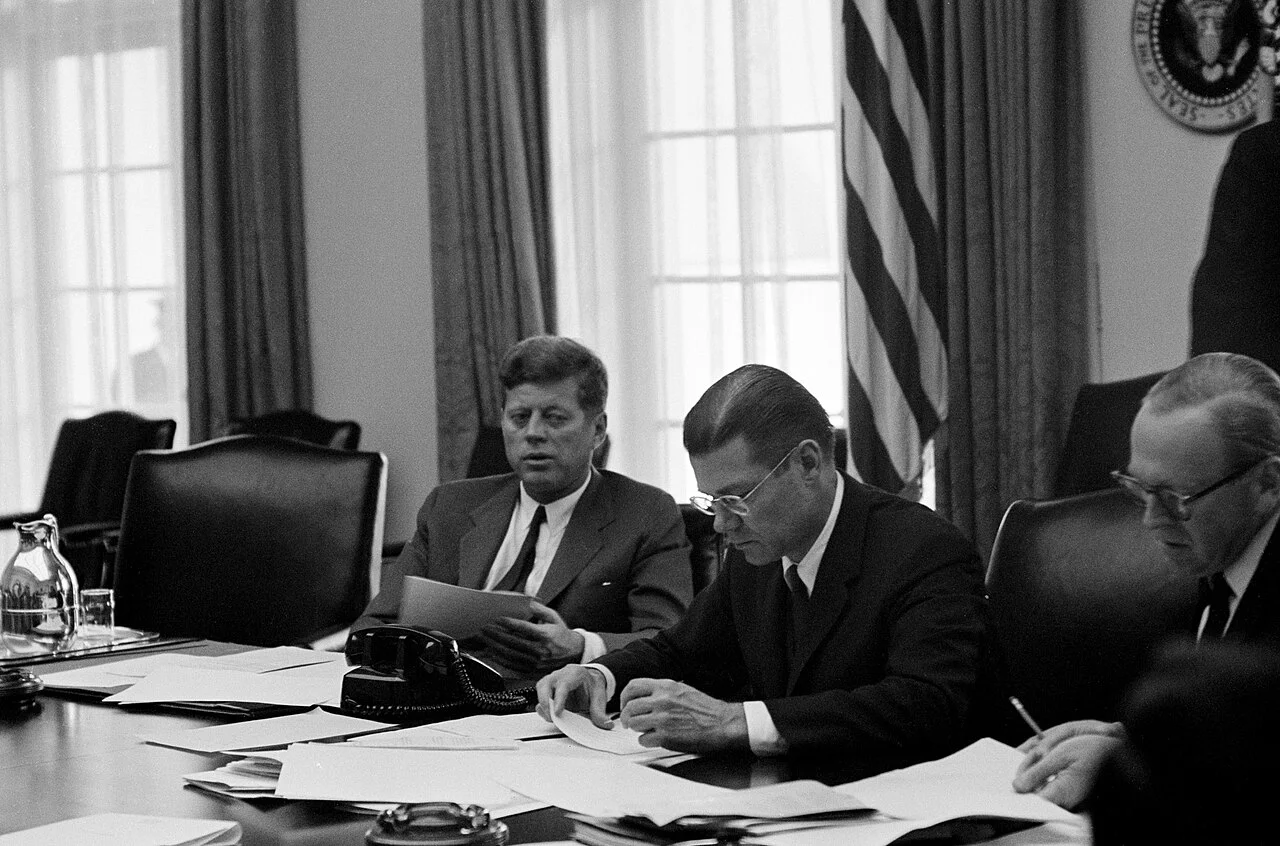
McNamara In the Rear-View Mirror
There is much more to the McNamara story than simply a Ford CEO becoming a government executive, as Philip and William Taubman lay out in McNamara at War: A New History.
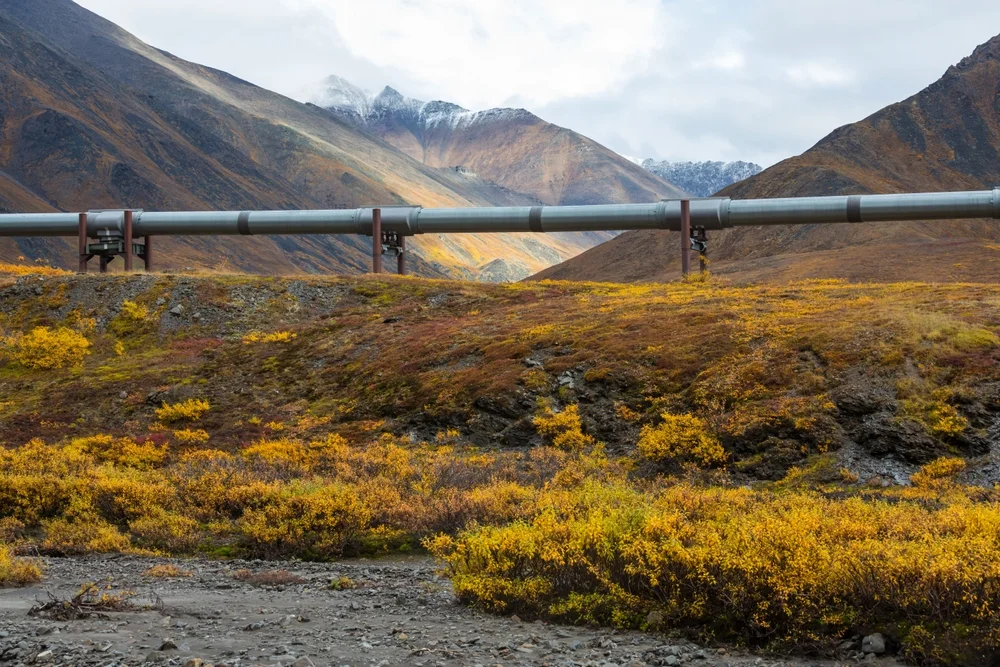
The Civitas Outlook Energy Symposium
Energy policy in America has become, over the past few decades, one of the most fraught debates in American politics.
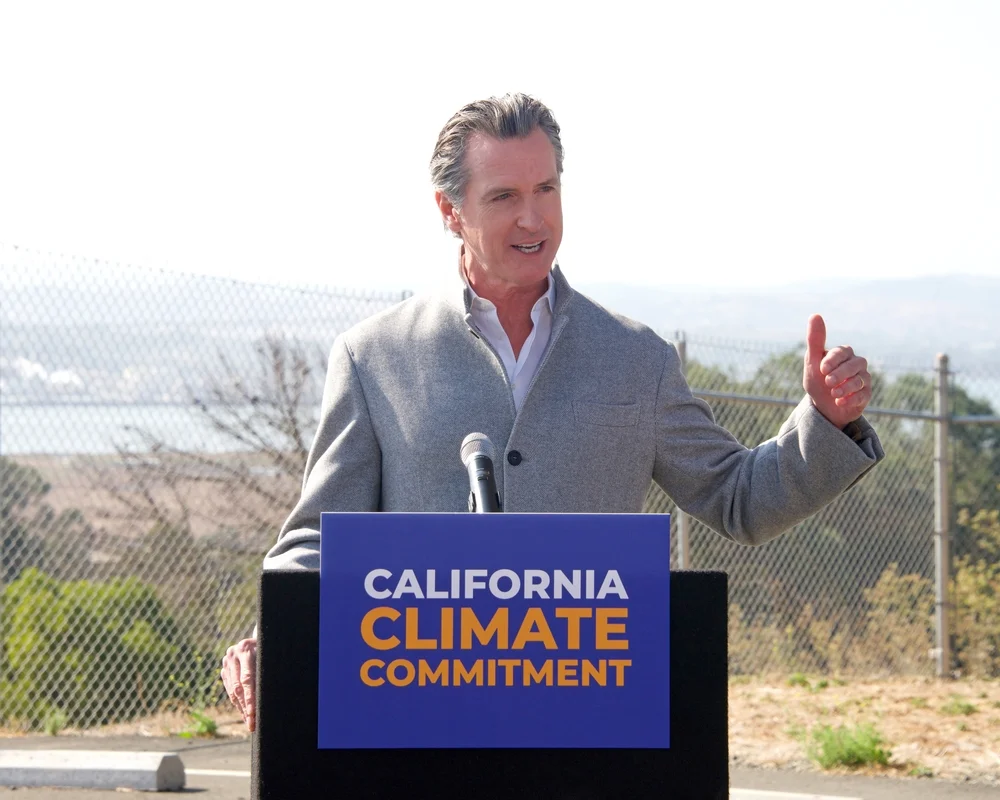
The War on Affordable and Abundant Energy Continues
With climate litigation faltering, the decarbonization effort is shifting to state legislatures.
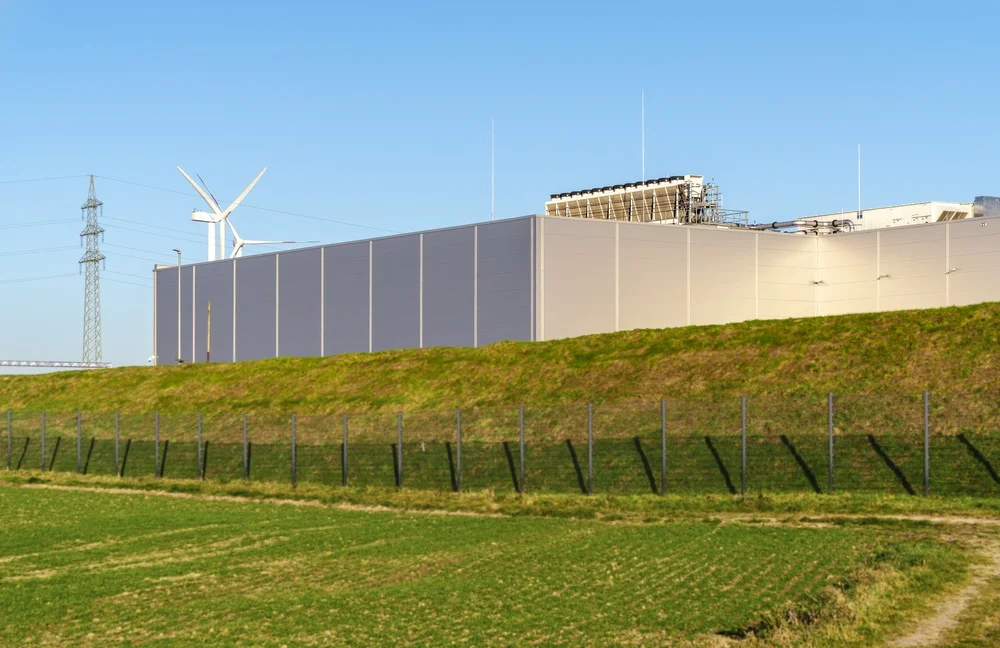
From Energy Repression to Energy Dominance
Even the most powerful computers on earth have no idea how much energy America will need for the next generation. What, then, is the path forward?
.webp)
America’s Energy Revolution Continues
Twenty years ago, energy discourse was awash in buzzwords and concepts such as "smart grid" and "hydrogen highway." These ideas now seem as quaint and obsolete as rotary dial telephones.
From Energy Repression to Energy Dominance
Even the most powerful computers on earth have no idea how much energy America will need for the next generation. What, then, is the path forward?
America’s Energy Revolution Continues
Twenty years ago, energy discourse was awash in buzzwords and concepts such as "smart grid" and "hydrogen highway." These ideas now seem as quaint and obsolete as rotary dial telephones.
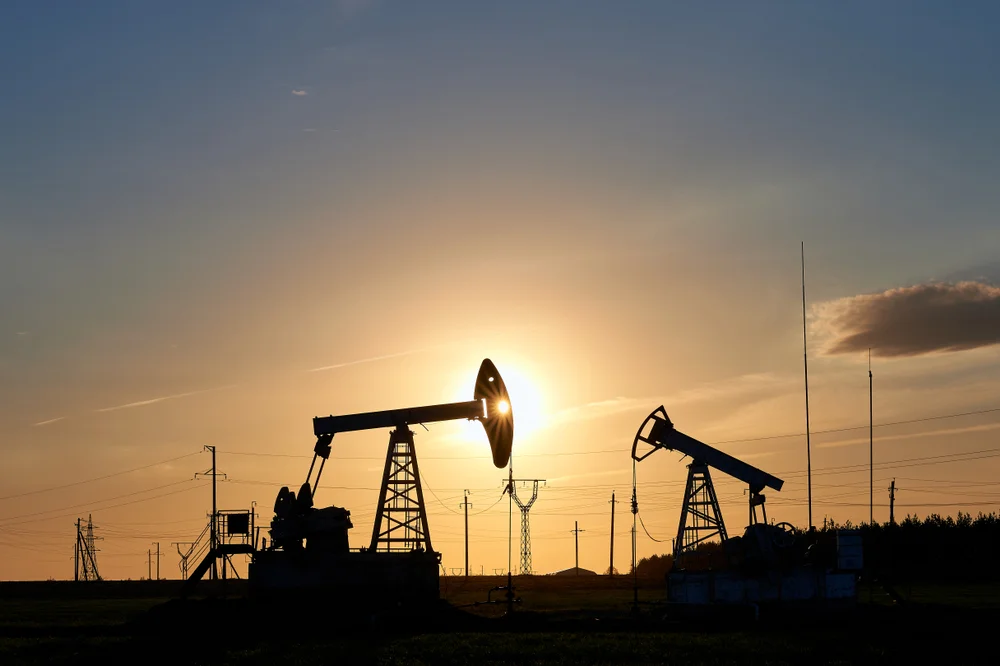
Oil Remains the Epicenter of Commerce, Geopolitics, and Energy
The question for framing next generation energy policies distills to knowing whether there are any truly new means for meeting society’s energy needs.
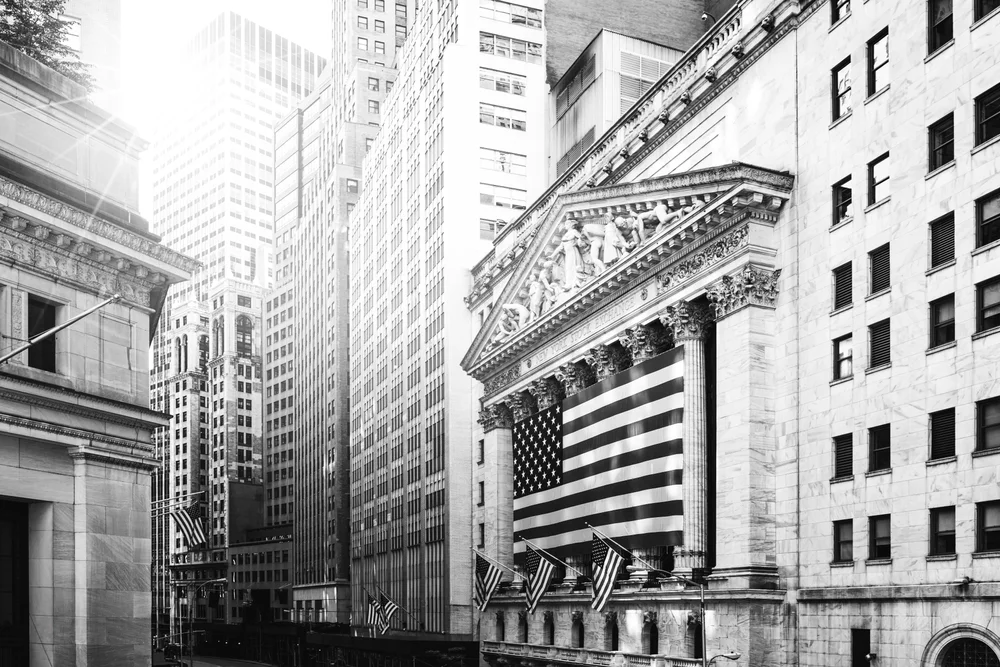
Trump's Troubling Economic Turn
How far will current economic regulations go in the Trump White House?
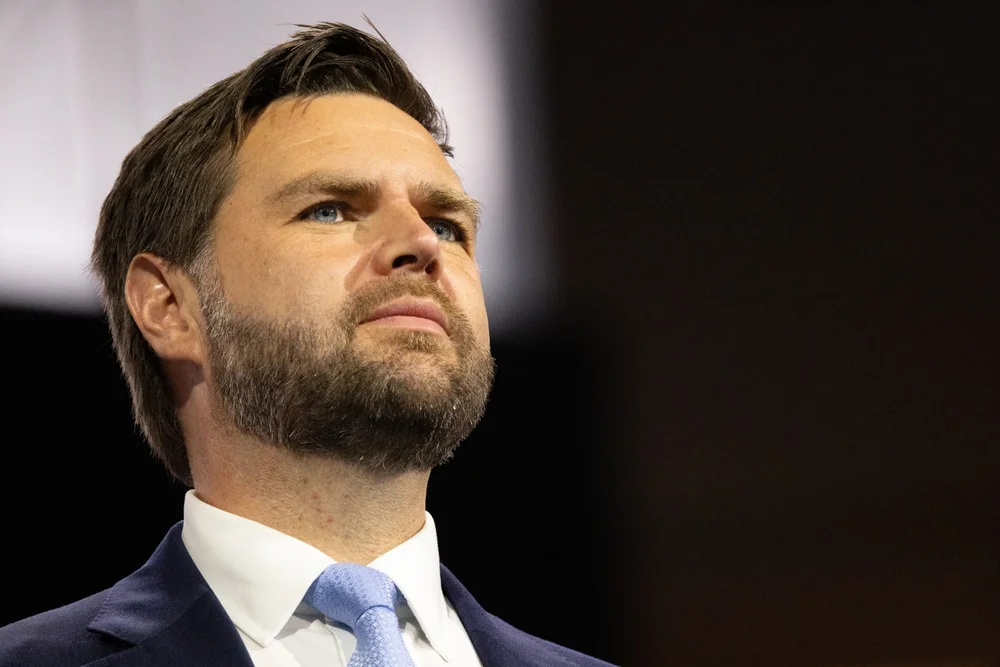
The Poverty of Vanceonomics
At the core of Vanceonomics is a preferential option for government intervention.


The War on Affordable and Abundant Energy Continues
With climate litigation faltering, the decarbonization effort is shifting to state legislatures.

The Case for a U.S. – Canadian Union
Given the immensity of common interests among them, why haven't the U.S. and Canada struck up a formal economic union?
.webp)
Selling America Short
What has enhanced America’s reputation are the sacrifices we have made for our long-term self-interest.
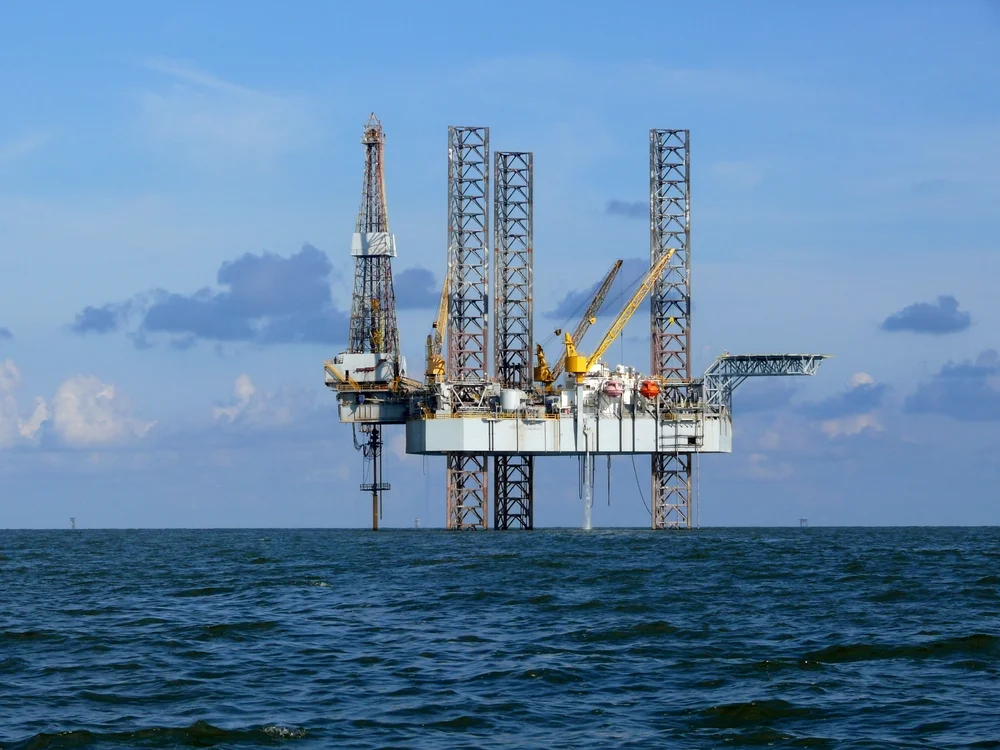
Trial Lawyers and the Future of Oil & Gas in the Bayou
Michael Toth reports on the Supreme Court case that will determine whether oil and gas companies can stop politically-connected Louisiana trial lawyers from fleecing them.
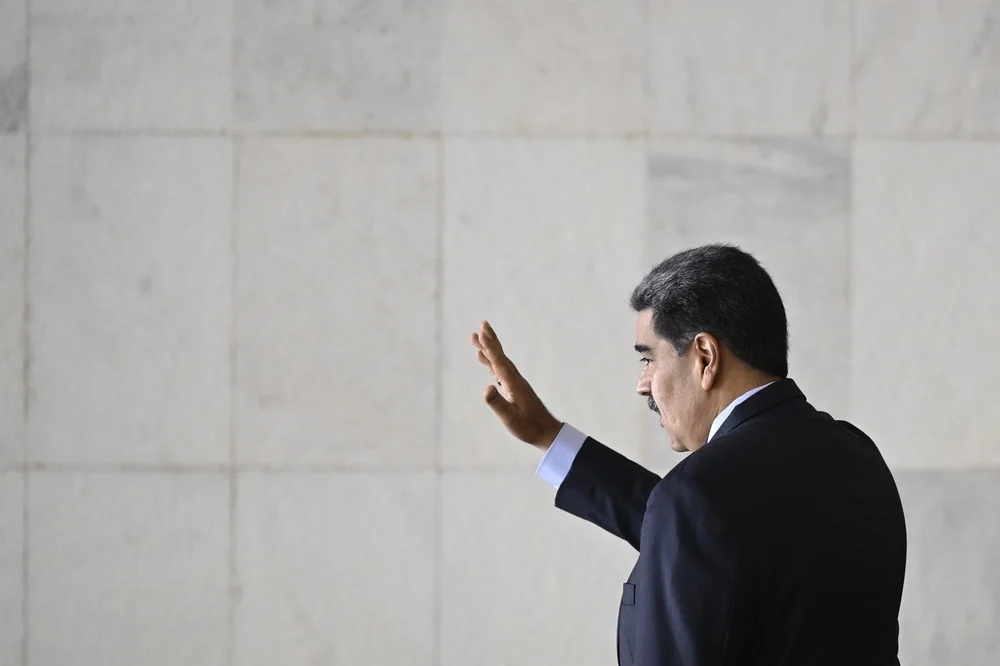
Prosecuting Maduro
Much has been said about the expedient capture of Nicolas Maduro by American forces. Prosecuting him will not be so straightforward.


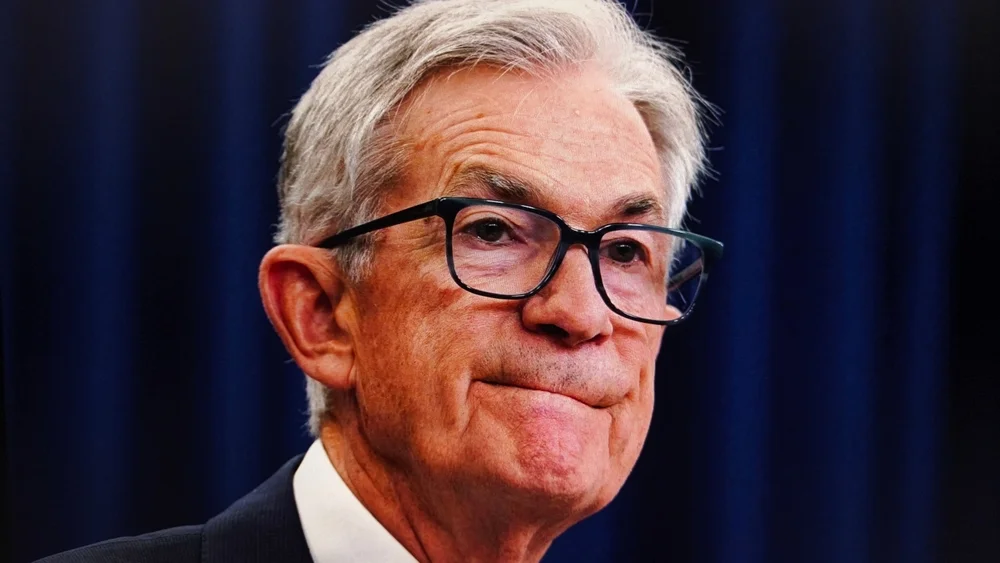
Kneecapping Powell, Undermining the Rule of Law
Donald Trump and conservatives know the perils of lawfare all too well. Why subject Jerome Powell to the same thing?
.webp)
Limiting the Federal Government
Failure to consider the sponsors’ representations of the Constitution’s meaning seriously impairs the quality of interpretation.
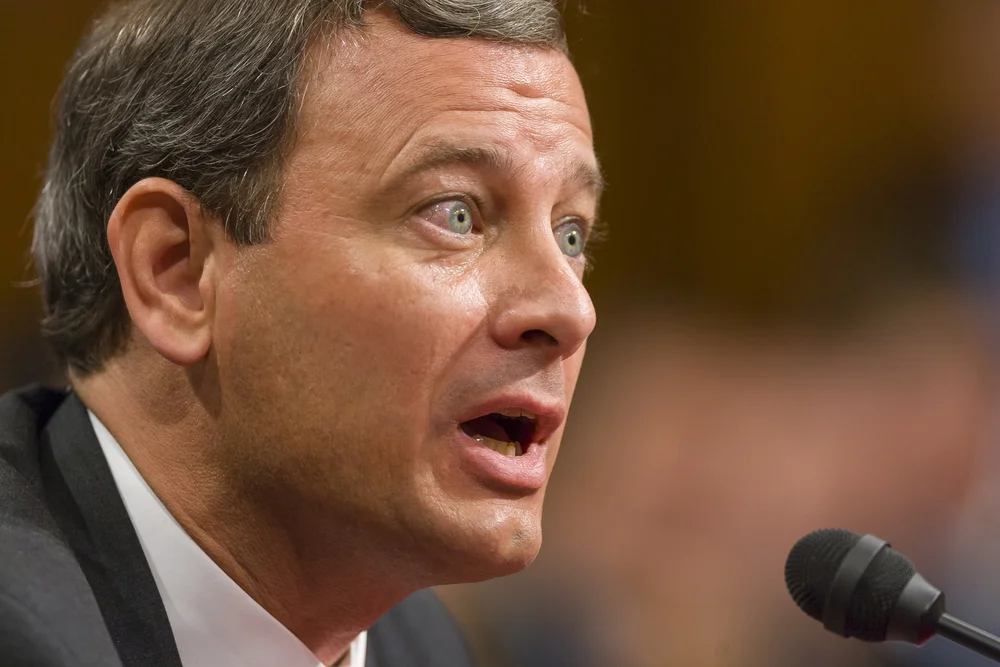
The Chief Justice's Big Idea
Chief Justice John Roberts has a potentially major idea for federal agency power.
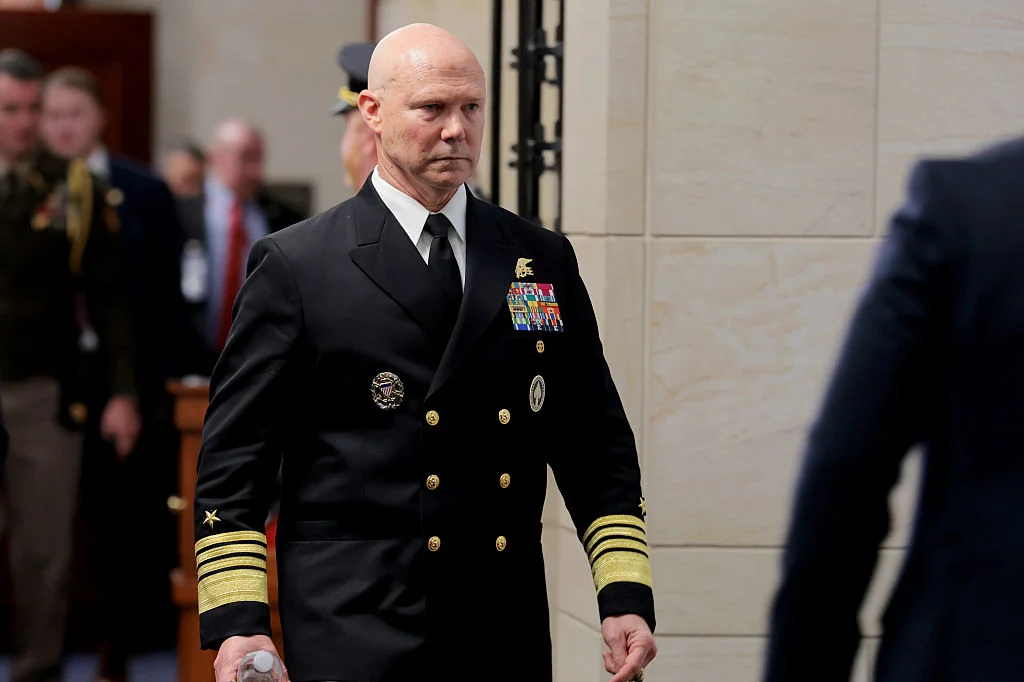
Congress, the President, and the Drug Boats
Lethargy in the legislature is no way to counter the executive's excess energy.

Just Follow the Law
By definition, no one can lawfully disobey the law. The problem, though, is that it can be difficult to know what the law requires, even for legal experts.
.webp)
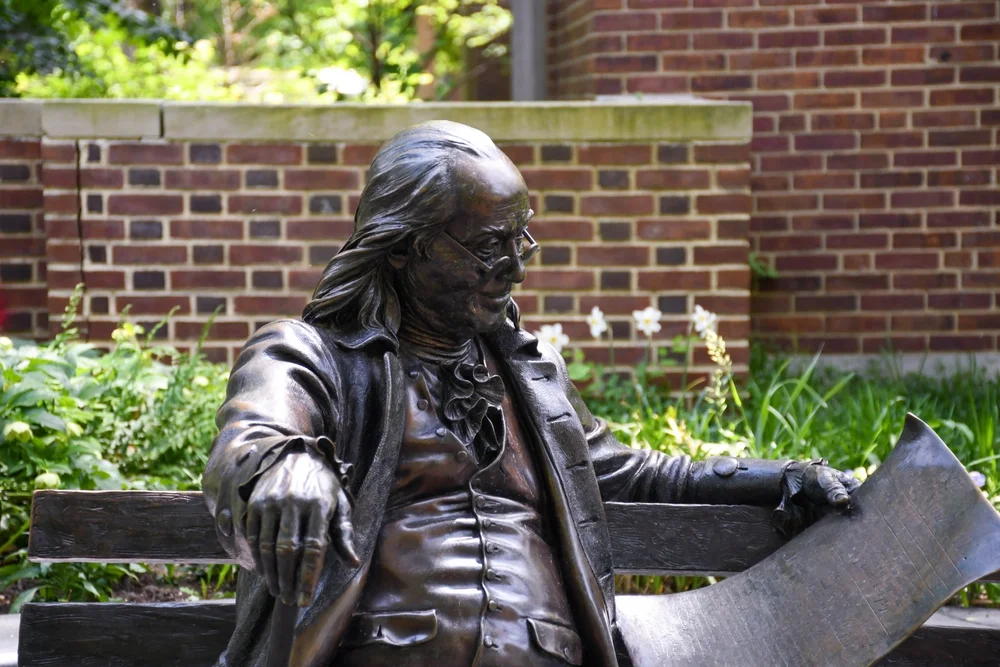
The Quintessential American: Ben Franklin, Man of All Ages
Franklin’s prudence is as welcome 300 years on as his legendary serenity.
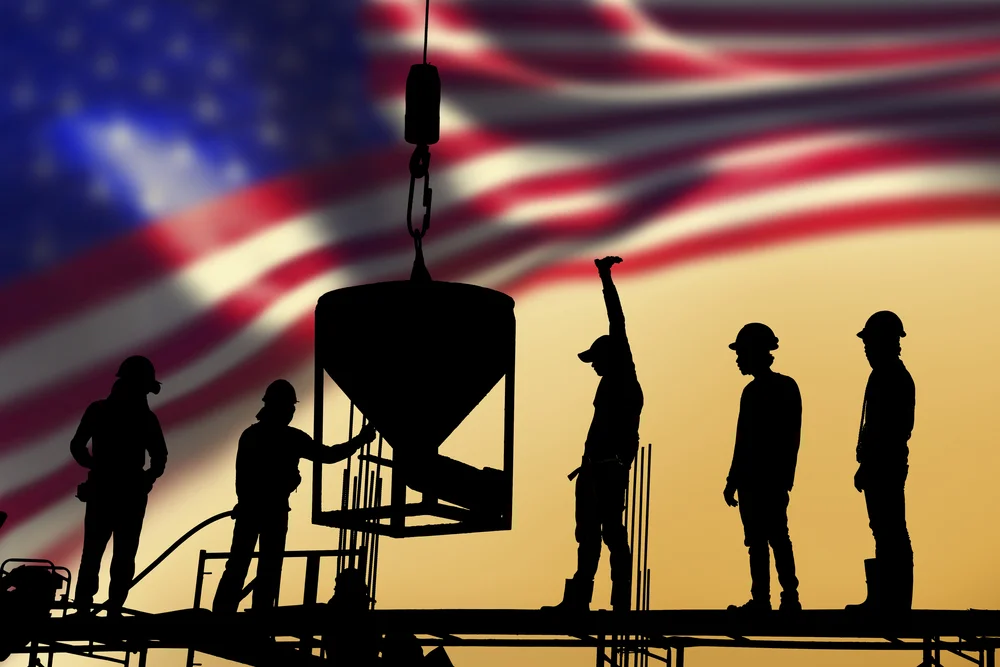
The Moral Case for America in a Nutshell
America’s proponents now have no choice but to articulate their own simple and effective moral case for our way of life.
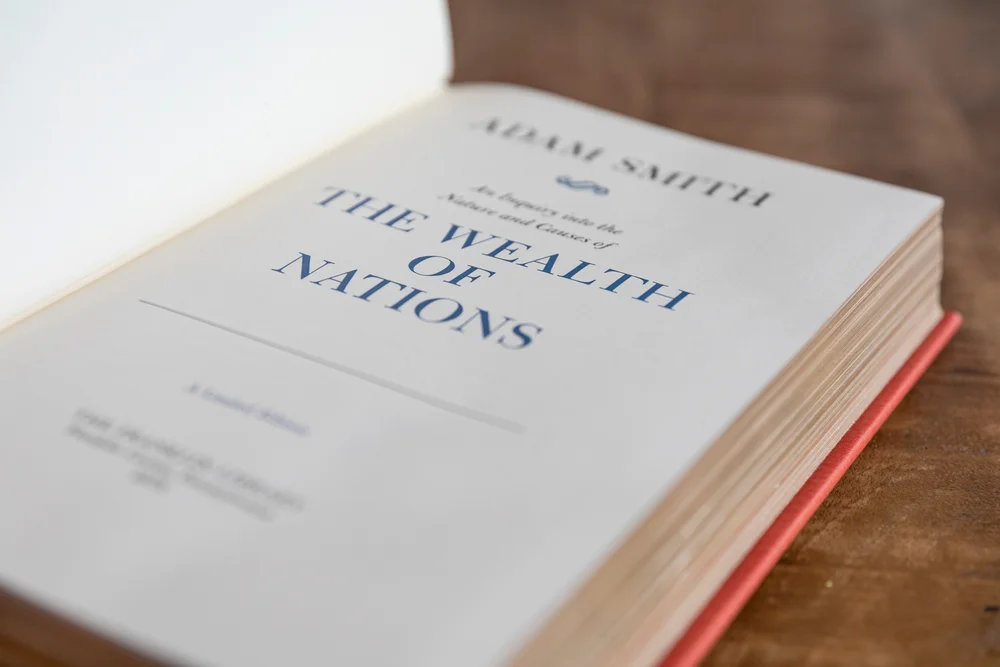
The Wealth of Nations at 250: Adam Smith’s Blueprint for the American Economy
Ideas of few books have shaped the economic logic of the American experiment more profoundly than The Wealth of Nations, even when Americans have not always realized it as an agent that promotes prosperity and reduces poverty.

Thank You, Ben
You gave me a great gift, Ben: the reminder that, because life is finite, whatever good we can do for others must be our daily task, to help others in need.



.png)