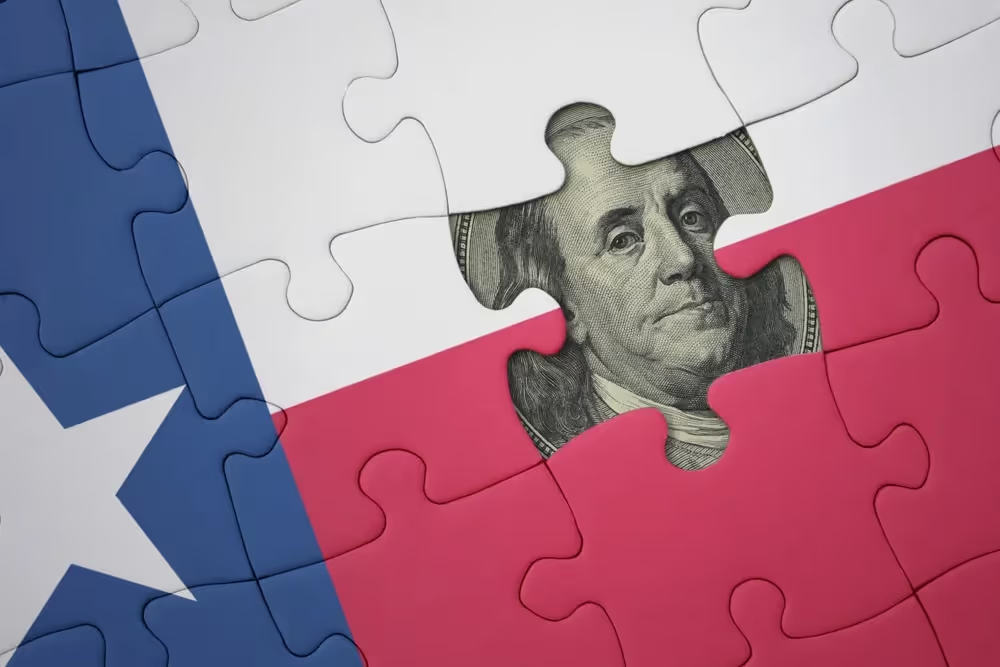
Texas Stands on Commerce

Limits on shareholder resolutions and dedicated business courts have made Texas a haven for companies; other states hoping to compete should take note.
Cryptocurrency exchange Coinbase announced last week that it’s ditching Delaware for Texas. If Trump-appointed Securities and Exchange Commission (SEC) Chair Paul Atkins is successful in reforming the broken shareholder proposal system, companies will have even more reason to relocate their legal domicile to states with the most favorable regulatory environments.
During the Biden administration, the SEC catered to activists pushing even further “environmental, social, or governance” (ESG) policies on companies. At the urging of ESG groups, it issued guidelines that opened the door to shareholder proposals on “social policy” issues, including those that didn’t affect the company’s bottom line.
As expected, the ideological floodgates opened. Proposals on environmental and social issues rose 52 percent in the first two years of the Biden administration. Climate-specific proposals jumped nearly 70 percent. And it wasn’t just left-leaning organizations that took advantage of the SEC’s relaxed guidance. From 2021 to 2025, the number of anti-ESG shareholder proposals brought by conservative groups grew nearly 5 times. Proxy season became a political battleground.
Some of the policy-driven proposals weren’t just immaterial to business interests — they were directly opposed to them. For example, ESG investor Arjuna Capital and the Dutch nonprofit Follow This called on ExxonMobil to slash its carbon emissions. If adopted, the proposal would have destroyed the company's value, not the usual goal of shareholders. As Follow This explained, the “Trojan Horse” proposal’s ultimate aim was that if an oil company followed its resolutions to cut its carbon emissions, it would eventually “conclude that there is no room for further investments in exploring for more oil and gas.”
Enter SEC Chair Atkins. As the Trump administration considers new rules on shareholder voting, Atkins has articulated a straightforward reform that could increase the tailwinds driving companies to incorporate in states like Texas. He laid out his vision for letting the states lead the way on shareholder proposals in a speech last month, where he vowed to “Make IPOs Great Again.”
In Atkins's view, the key to reforming the dysfunctional shareholder proposal process lies in restoring the proper relationship between the federal government and the states. When Congress established the SEC, it placed federal regulators in charge of setting disclosure rules and left it to the states to regulate the internal operations of companies, including shareholder voting rights. For this reason, the SEC can instruct companies to include shareholder proposals in their proxy materials, allowing investors to make informed decisions. However, whether a particular shareholder proposal constitutes a legitimate exercise of a shareholder’s rights is a question of state law.
The SEC chair’s deference to states on shareholder proposals makes the pro-business reforms recently passed in Texas relevant. One of these measures protects companies from proposals brought by shareholders holding less than $1 million worth of shares or three percent of the company’s voting shares. Businesses can qualify for this shield by doing what I call the “Texas Two-Step”: changing their legal home to Texas and listing their shares on the upstart Texas Stock Exchange.
Under existing SEC rules, the threshold for shareholder proposals is just $2,000. But what Atkins is saying is that because Congress never preempted state law on shareholder proposals, Texas can raise the bar.
Limiting proposals to investors with more skin in the game may keep shareholder meetings focused on important corporate matters. In a recent testimony before Congress, legal scholar James Copland noted that large shareholders “make almost no direct use” of shareholder proposals. Rather, the SEC’s low threshold allows small shareholders “to co-opt the corporate agenda for their own purposes.” The Texas measure thus frees executives to focus on value-creating activities.
The advantage of Atkins’s approach is that it allows states to choose how much (or little) political activism they want at shareholder meetings. Delaware would do well to utilize the leeway provided by the SEC to regain its reputation as the default option for corporations. Atkins points out that Delaware law can be read as excluding all non-binding, so-called “precatory” shareholder resolutions. This interpretation of the state’s corporation law would stop a sizable share of the politically-charged proposals that have proliferated in recent years.
But it’s also possible that lawyers representing politically-motivated shareholders would take the opposite view. In that case, Atkins suggests that the state supreme court could make the final call. But will companies be willing to risk having a shareholder proposal excluded by the justices as non-binding? We may find out soon enough.
This Monday, the SEC declared that it’s not going to weigh in on shareholder proposals this proxy season. This essentially invites litigation at the state level. Delaware companies that exclude non-binding shareholder proposals may ultimately face legal challenges in state courts. The outcome of these disputes will provide another referendum on the business climate. The trend of judicial activism in Delaware courts has already driven Tesla, SpaceX, Tripadvisor, Andreessen Horowitz, Zynga, and now Coinbase to press the “DExit” button. Meta could be next.
Texas’s high bar on shareholder resolutions is codified into state law. If other states want to provide certainty to companies, they should follow suit and create clear rules enforced by business courts dedicated to the rule of law. Not only will that give Delaware a run for its money, it will also allow companies to concentrate on their core business.
Michael Toth is the Director of Research at the Civitas Institute at the University of Texas at Austin.

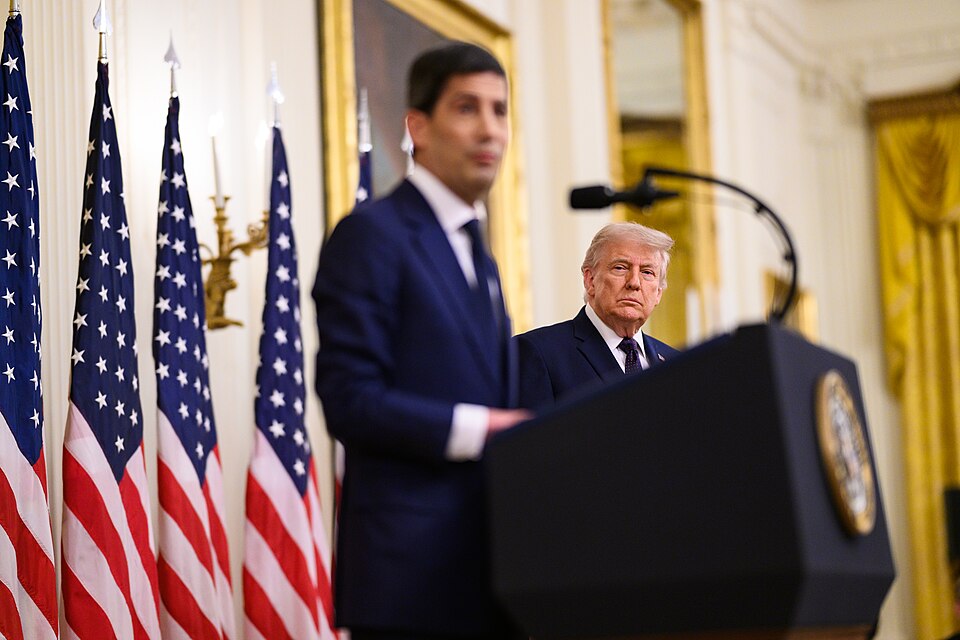
Kevin Warsh and the Future of Fed Communication
Warsh is right that the Federal Reserve should not speak so loudly that it hears only its own echo.

“Full Faith and Credit” Means a Claim on America
The federal debt is dangerous because G.D.P. belongs to Americans, and Washington has more ways than any private borrower to reach it.
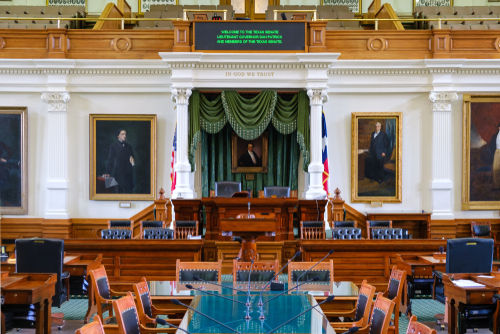
ISS and Glass Lewis Can’t Stop Texas
Texas’ policy is clear: the state wants businesses to thrive as businesses.


.avif)


Get the Civitas Outlook daily digest, plus new research and events.
Get the Civitas Outlook daily digest, plus new research and events.