The Bills are Piling High for States

If the past is prologue, we’ll see red and blue states move further apart, with the former cutting spending and the latter raising taxes alongside spending cuts.
The pandemic revenue gusher for state governments has come to a close. Exceptional federal aid has ended, and the new administration in D.C. may enact further cuts to grant programs like expanded Medicaid, where the federal match is currently 90%. State sales tax revenues have fallen for several months in a row.
Many states are facing tough fiscal choices. Some states can weather the storm temporarily by drawing down rainy-day balances, but that won’t sustain them much beyond next year. What happens next? If the recent past is prologue, we’ll see red and blue states move further apart, with the former cutting spending and the latter raising taxes alongside spending cuts.
The current crunch isn’t as bad as states saw after the Great Recession. States have built up their rainy-day funds over the last few years, and many will likely tap into them this year and next. Exceptional stock-market gains have helped states that depend heavily on income taxes. But several states, both blue and red, are facing growing structural gaps between spending and revenues due to decisions they made during the pandemic, especially big spending splurges.
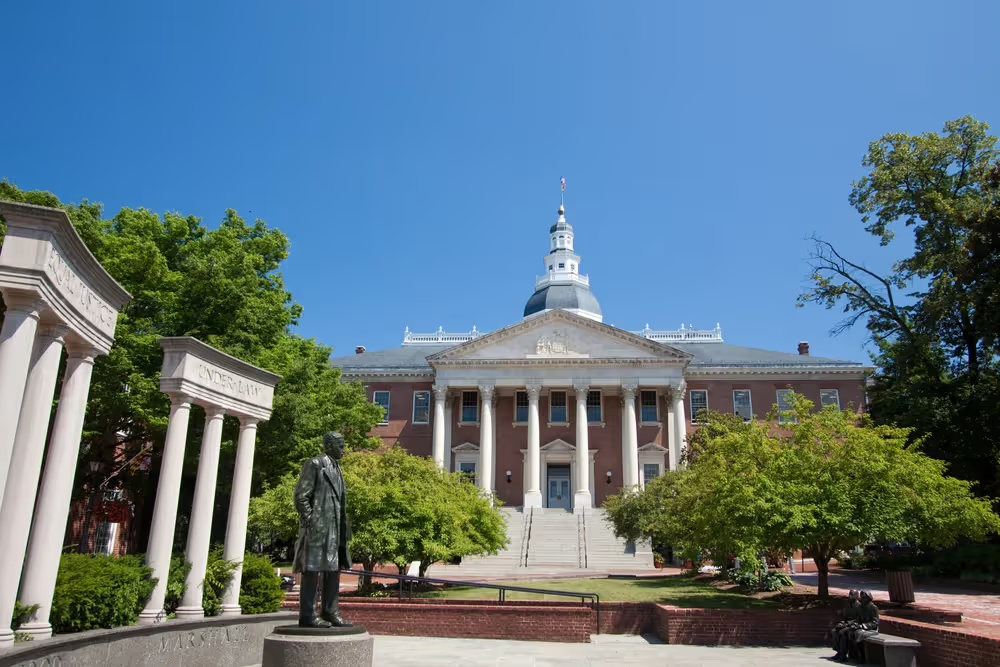
At the top of the list is Maryland. According to a legislative budget analyst there, by fiscal year 2030, “the state will only have enough revenue to cover 84% of the expenses” that his office projects. “That is the largest gap that we have seen in the last 20 years. It is more significant than the Great Recession.” The immediate problem is a $3 billion budget hole.
How did Maryland get into this mess? Spending. Over two years, growing Medicaid spending alone is expected to add $800 million to the structural deficit. An education reform law passed in 2021 will require additional money from the General Fund starting in 2028. Between fiscal year 2021 (beginning July 1, 2020) and 2023, General Fund spending increased 49%.
Democratic Gov. Wes Moore has proposed roughly $2 billion in budget cuts and $1 billion in tax increases, mainly through ending various exemptions, credits, and deductions.
In Washington, incoming Gov. Bob Ferguson has proposed $4 billion in budget cuts while dropping the wealth tax proposed by his predecessor, fellow Democrat Jay Inslee. Ferguson’s proposal includes a 6% cut to state agencies, but the reductions are facing legislative resistance. Last year’s General Fund spending was level in the previous year, but that followed two years of 26% growth in General Fund spending.
Some red states are also seeing pressures from tax cuts and spending growth. Nebraska is facing a half-billion dollar shortfall over the next two years. Gov. Jim Pillen has proposed a combination of agency cuts and increases in sin taxes to make up the difference, including new taxes on candy and soft drinks. The governor and legislative leaders still want to use state money to reduce local school property taxes, a move that usually results in higher tax burdens in the long run and replaces a stable revenue source tied to local benefit (property taxes) with unstable revenue sources that economists say cause economic distortions (income and sales taxes).
In New Hampshire, incoming Republican governor Kelly Ayotte has ordered a hiring freeze. Legislative leaders are looking at a 4% cut to agency budgets. Democrats have seized on the state’s abolition of its interest and dividends tax as a culprit, but General Fund spending increased 21% between fiscal years 2022 and 2024.
Florida's structural deficit will widen over time. The latest forecast sees a nearly $7 billion deficit by fiscal year 2028. Similarly, Iowa is facing big revenue declines in the coming three years due to state income tax cuts.
State tax cuts may increase growth—in fact, the evidence on state business tax cuts firmly establishes a significant benefit to growth—but that doesn’t mean they pay for themselves. States that want to reduce their tax burden permanently need to find efficiencies in public services to pay for that lower revenue take. The critical role of fiscal rectitude remains an essential lesson from Kansas’ failed attempts to slash income taxes under former governor Sam Brownback.
Even as states face these fiscal pressures, voters are growing restless over property taxes in several states. Property taxes are always unpopular because they are visible. Property owners must write a large check to the government every year. That’s also one reason they are a desirable revenue source: they help to combat fiscal illusion and force voters to pay close attention to local spending.
Part of the problem is that fiscal institutions sometimes allow local governments to seize the surplus generated by rising assessments. Property values have risen tremendously since 2019 almost everywhere. In some states, local governments can stabilize tax rates and reap the windfall of increasing revenue from that growing base. In other states, local governments can fall back on a “default budget” that may be adjusted for inflation, but if they want to grow their spending, they need to win a popular vote on the budget, paired with a clear property tax impact. That system gives local voters a meaningful check on local spending and therefore, property taxes - rising assessments give local governments no leg up at all on raising revenue.
Nebraska is one state going in the wrong direction on property tax reform. Instead of reforming local institutions, they are fiscally centralizing - using state funds to backfill local budgets and pay down property tax rates. At best, it is a temporary solution, and at worst, it makes the problem worse by giving local governments what looks like a blank check. When Idaho voters drastically limited property taxes in the 1970s, it significantly increased state income taxes and increased state control of schools. California’s and Michigan’s property tax revolts had similar consequences. Jared Walczak at the Tax Foundation explains the problem in Nebraska and what they should be doing instead.
After the Great Recession, states mostly did an acceptable job organizing their finances. The average state and local tax burden fell from an all-time peak of 9.9% in fiscal year 2007 to 9.1% by 2012, where it has remained roughly since then (using the Ruger-Sorens measure). Today, states are undertaking public pension reforms at an unprecedented pace. These moves should put them in good stead for the long run.
But red and blue states went in different directions after the Great Recession, especially after the initial fiscal shock faded. After a brief period of parsimony, California’s all-time highest tax burden was in fiscal year 2021. Colorado, Connecticut, Delaware, Illinois, Maryland, Minnesota, and Oregon all have higher tax burdens than in 2007. On the other hand, states like West Virginia, Wisconsin, New Hampshire, North Carolina, Louisiana, and Arizona have seen big declines in tax burden over the last 15 years. (So too, unusually, has New York, though it remains one of the highest-taxed states. Regression to the mean is part of the explanation, though a statewide property tax cap has helped. Nevertheless, outlandish public pension debt in New York City, Nassau County, and elsewhere foretells future tax increases.)
If Congress raises or repeals the cap on the state and local tax deduction against federal income taxes, it would allow blue states to raise taxes on high earners at lower financial and political costs. It seems a safe bet that red and blue states will come further apart on fiscal policy in the coming years.
Jason Sorens is Senior Research Fellow at AIER. He is also Principal Investigator on the New Hampshire Zoning Atlas.


The Root of Benedict Arnold’s Betrayal
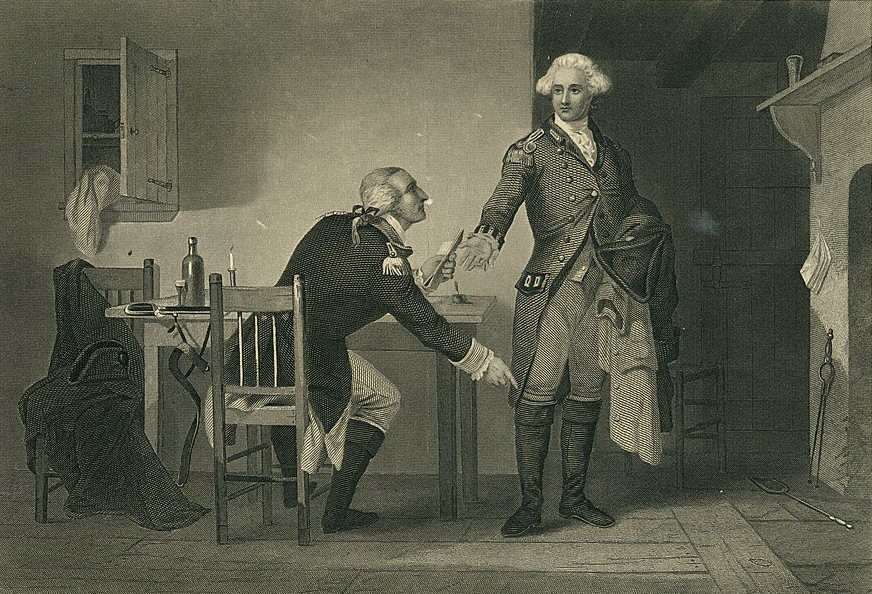
“Arnold has betrayed us,” Washington whispered. “Whom can we trust now?”

The Geopolitics of Climate Continues
There is more riding on climate politics at this moment than is frequently acknowledged.

.webp)



Get the Civitas Outlook daily digest, plus new research and events.
Get the Civitas Outlook daily digest, plus new research and events.