.png)
.png)
Following a rule change in the 1970s, the minority is now incentivized to use the filibuster more frequently.
In this episode of Civitas Conversations, Richard Reinsch speaks with Joseph Postell, an expert in Congress and administrative law, about the future of the filibuster and the deeper institutional challenges facing the U.S. Senate.
Drawing on Postell’s Civitas Outlook essay, “Why Can’t We Have a Filibuster?”, the conversation explores how the Senate moved from dramatic, “talking” filibusters—where senators held the floor for hours—to today’s low-cost, procedural obstruction that effectively imposes a 60-vote threshold on nearly all legislation.
Civitas Conversations features leading scholars, commentators, and thought leaders for in-depth discussions of the latest essays in Civitas Outlook—and the ideas behind them. A production of the Civitas Institute at the University of Texas at Austin.
Civitas Conversations
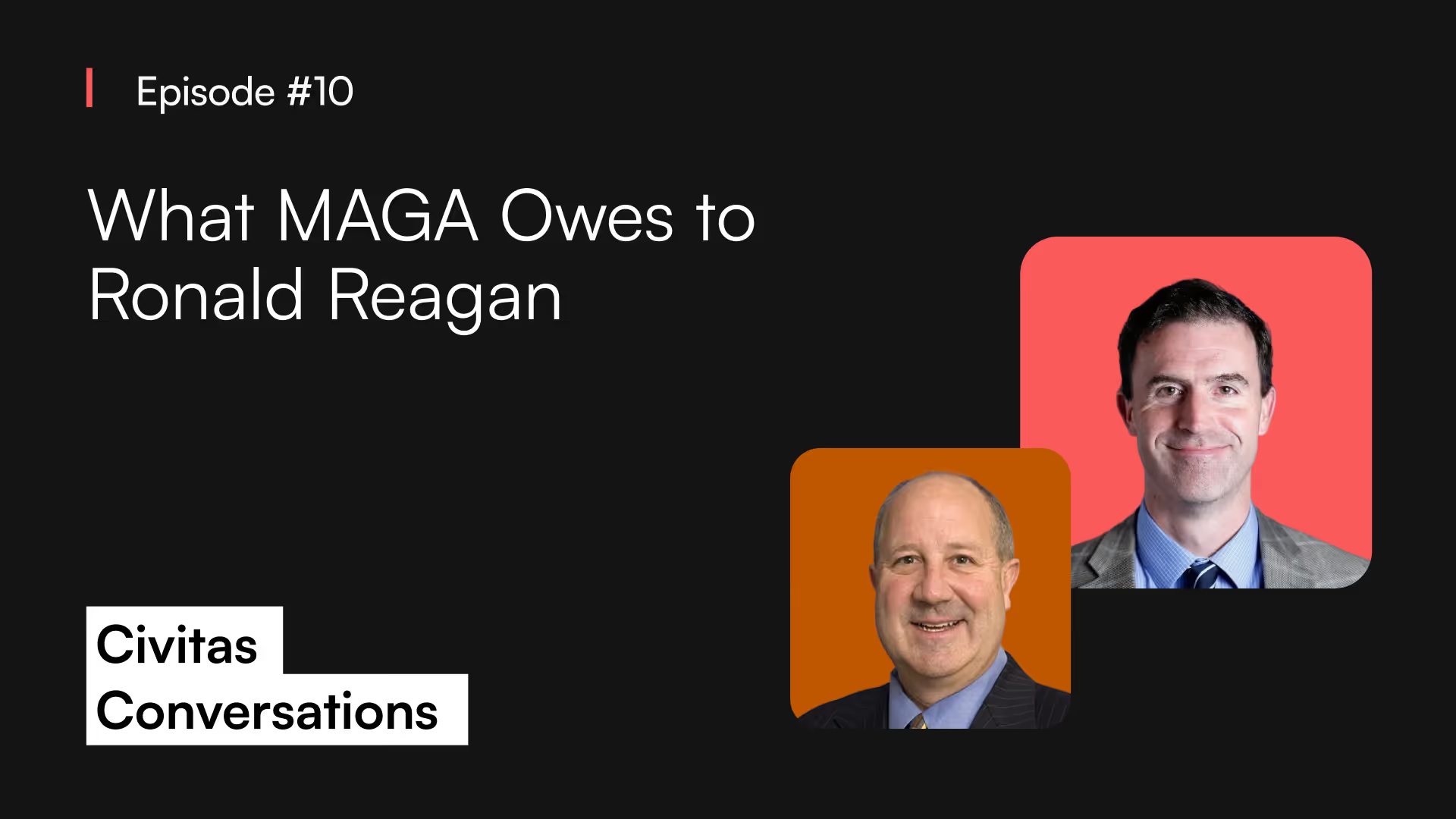
What MAGA Owes to Ronald Reagan
Richard Reinsch sits down with contributing editor Steven Hayward to discuss his recent essay, “Reagan, The Original MAGA President?”
Restoring the Legislative Veto Will Empower Congress - Joe Postell
Chadha's Mistakes and the Diminished Congress
.avif)



Get the Civitas Outlook daily digest, plus new research and events.