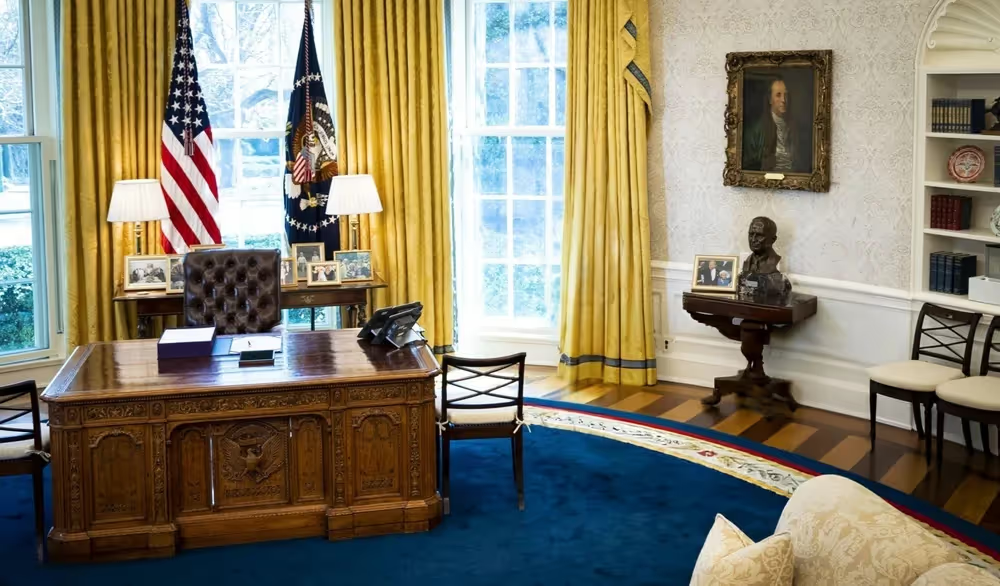
Civitas Symposium: Statesmanship and the American Presidency
Who are our American statesmen, and what can we learn from them?
How should we think about statesmanship and presidential power? As Steven Hayward observes in this symposium, we are uncomfortable with even acknowledging that a category of statesmanship should exist. Statesmanship implies discriminating judgment about character, prudence, magnanimity, and justice. The modern liberal mind can't even, as the kids say. Yet we are also stuck with executive leadership, even in a modern constitutional republic. So, who are our American statesmen, and what can we learn from them?
We can draw from different sources to formulate answers to these questions. How did the Founders of American constitutionalism think about character and executive power? Do the progressives provide better sources of thinking about this issue? How would institutions influence or condition executive decision-making? What about the size of government today and the exercise of presidential power?
To answer these questions and more, we've invited the following contributors:
Joseph Bessette and Gary J. Schmitt “Character and the American Presidency: A View From the Founding"
Steven Hayward “Taming the 21st Century Prince"
Yuval Levin “Big Government Statesmanship"


Originalism and the 'Barbara' Dissenters
When one steps back and assesses the methodological approach of 'Barbara' dissenters, it’s clear that it was, at its core, originalist.

.jpg)
The Declaration Symposium
Civitas Symposium featuring Gregory Collins, Aaron Nielson, Joseph Postell, and John Yoo
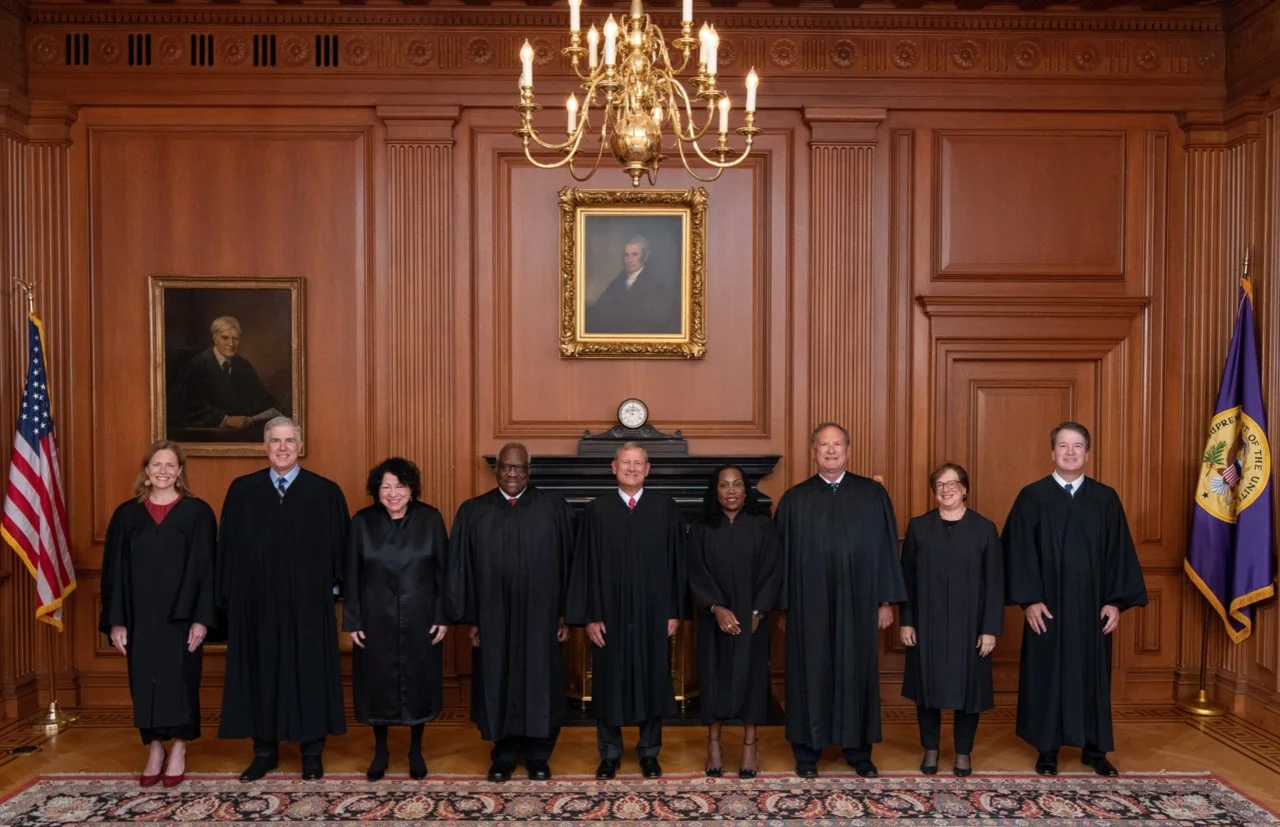

.png)


Get the Civitas Outlook daily digest, plus new research and events.
Get the Civitas Outlook daily digest, plus new research and events.