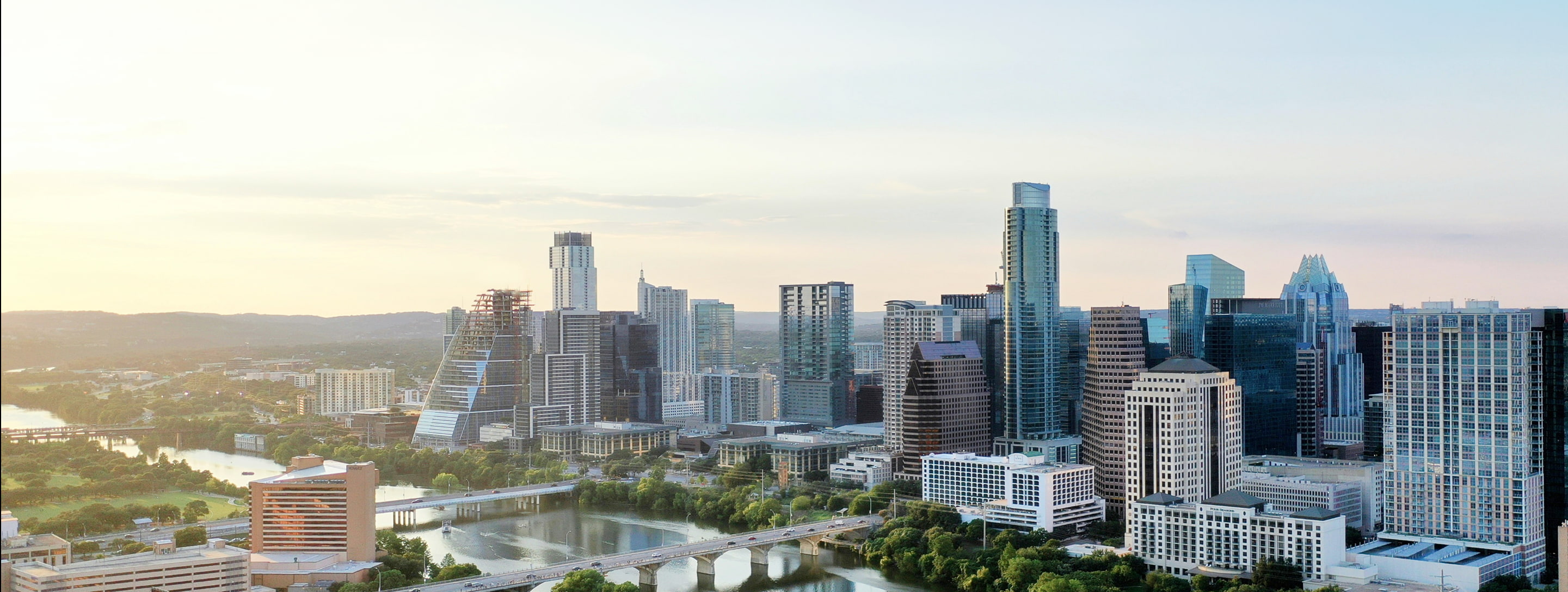
Solving the Housing Crisis: A Symposium

We have access to a set of proposals to take us out of the current unsatisfactory residential housing conundrum. Judge Glock, Edward Pinto, and Dan Shoag discuss this problem and outline a path toward housing affordability.
The supply and affordability of housing in America has become an issue in countless cities, regions, and states. Many attribute the soaring price of housing as a litmus test that shapes citizens’ perceptions and attitudes about the future direction of their country. If home ownership is not a realistic possibility during their working years, the American Dream is no longer possible. Yet, the reasons for the housing supply problem are not unknown. We can disagree on some reasons and how to rank them according to their contributions to our housing situation, but we have access to a set of proposals to take us out of the current unsatisfactory residential housing conundrum. The problem seemingly is a matter of will to change our current regulatory course and also overcome ideology in some instances, namely environmental protection and an insistence on a green future to the detriment of what consumers want and can afford.
We asked Judge Glock, Edward Pinto, and Dan Shoag to discuss this problem and outline a path toward housing affordability.


On Debt: Two Honest Measures, Two Different Questions
A response to Thomas Savidge's '“Full Faith and Credit” Means a Claim on America.'

Social Mobility Wins
When people live within an environment offering good jobs, good education, social networks, and a culture of self-improvement and hard work, they experience progress in a way that undercuts the philosophical rationale that socialists need to justify the policies they advocate.
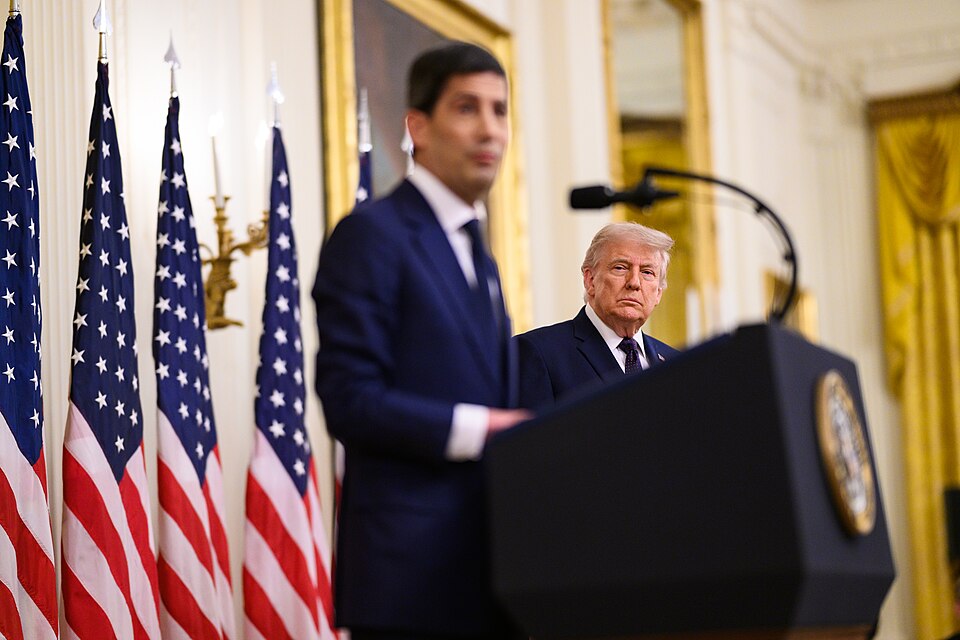
Kevin Warsh and the Future of Fed Communication
Warsh is right that the Federal Reserve should not speak so loudly that it hears only its own echo.


.png)


Get the Civitas Outlook daily digest, plus new research and events.
Get the Civitas Outlook daily digest, plus new research and events.