

The Family Policy Symposium

What should be the role of public policy in shaping the American family?
What, precisely, is the role of public policy in shaping the American family? Is family decline best understood as an economic problem, a cultural one, or a byproduct of failed societal institutions? Further, how should success be evaluated in a domain so deeply rooted in private life, moral formation, and long-standing social custom? Across the political spectrum, there is now broad agreement that the American family is under strain. Fertility rates are falling, younger people are foregoing or delaying marriage, and the systems that once sustained family life appear weaker than they were in generations past. The question of where to go as a society, however, remains heavily contested. Some argue that these trends demand ambitious policy responses, including new incentives, programs, and national frameworks. Others contend that such approaches mistake the nature of the problem, treating cultural and moral disintegration as merely a budgetary shortfall.
The authors in this symposium — Patrick T. Brown, Catherine Ruth Pakaluk, John Shelton and Joel Griffith, and, Brad Wilcox — take up these tensions from different vantage points. Together, they invite a more careful consideration of limits, trade-offs, and first principles surrounding family dynamics, reminding us that in the family, prudence may matter more than ambition.


Rebuilding Venezuela
The hardest work is only beginning: rebuilding the institutions that will transform a false State into a real one.
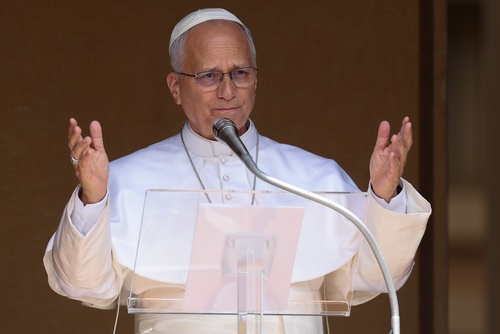
The Pope’s AI Politics
Complicating the legal management and ethical control of AI is that it feeds a new, highly attractive mythology.

Data Centers Are a National Issue
America needs to resolve its data center debate with a national framework.
.jpg)


Get the Civitas Outlook daily digest, plus new research and events.
Get the Civitas Outlook daily digest, plus new research and events.